Every Australian business that ships, stores or sells goods produces packaging waste. From the cartons piling up in warehouse loading bays to the takeaway containers leaving café counters at the end of a service, the volume builds faster than most operations teams expect. The good news is that a sizeable share of commercial packaging can find its way back into the supply chain rather than landfill, provided your team knows what to recycle, how to sort it, and which materials are designed for recovery from the start.
For procurement managers, warehouse supervisors and operations leads, package recycling sits well beyond a tick-box exercise. It influences disposal costs, brand reputation, and increasingly, compliance with state-based packaging targets. This guide walks through the realities of commercial recycling and shows where smarter sourcing makes the biggest difference.
Why Package Recycling Matters at the Boardroom Level
Australia’s National Packaging Targets have set firm benchmarks. All packaging is meant to be reusable, recyclable or compostable, with steady pressure to lift post-consumer recycled content across every category. Businesses that source carelessly bear the cost in many ways. Higher waste removal fees, customer complaints, lost retail listings and missed sustainability commitments all chip away at margins.
Recycling done well, on the other hand, produces measurable wins:
- Lower waste disposal volumes and tipping charges
- Stronger ESG reporting that helps win tenders and retail listings
- Reduced exposure to virgin material price swings when recycled inputs are used
- A clearer sustainability story for customers, staff and investors
Most of those wins trace back to decisions made at the procurement stage, well before any carton reaches a recycling skip.
Materials That Recycle Well in Commercial Settings
Not every piece of packaging behaves the same way at the kerb or back-of-house compactor. Knowing the difference saves time and prevents contamination, which remains the leading reason recyclables get rejected at sorting facilities.
Cardboard cartons and mailing boxes
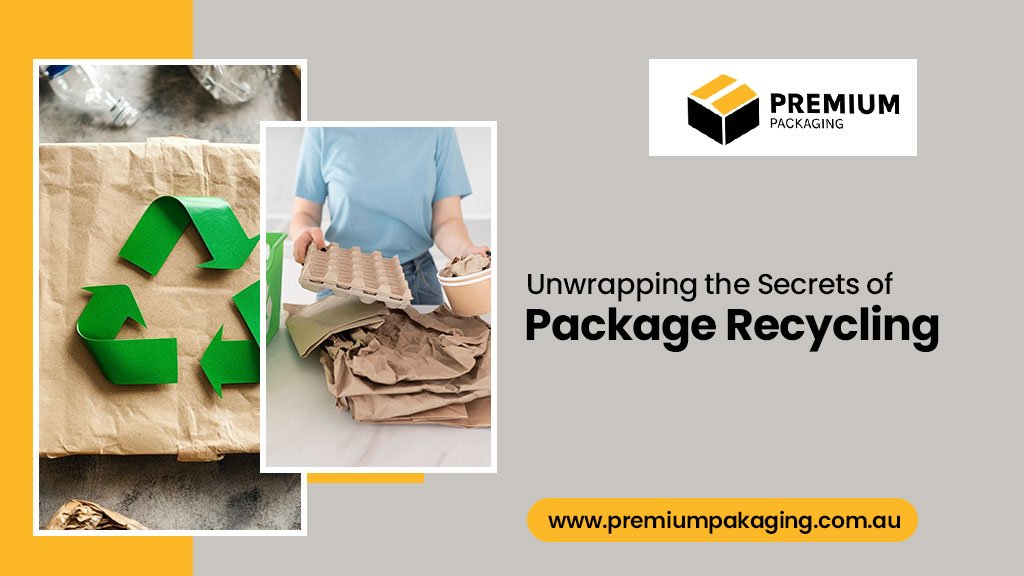
Corrugated cardboard is one of the most reliably recyclable materials in the commercial stream. Flattened, kept dry and stripped of heavy tape residue, used cartons can be baled and processed into new board with minimal fuss. For dispatch teams, this means mailing boxes and shipping cartons aren’t simply an expense line. They’re a recoverable asset when handled properly.
Paper-based wrapping and void fill
Kraft paper, honeycomb wrap and shredded paper void fill all flow into the same recovery stream as cardboard. Brands replacing plastic-based void fill with paper alternatives often see their recycling diversion rates climb without any extra effort from the warehouse floor.
Bubble wrap and soft plastics
Bubble wrap is where many businesses come unstuck. Standard bubble wrap is a soft plastic, so it can’t go into a regular co-mingled bin. It is, however, recyclable through dedicated soft-plastic collection programmes that have been progressively returning across parts of Australia. Some industrial suppliers also accept clean film back through take-back arrangements. For operations wanting to phase soft plastics down over time, paper-based protective wrap and corrugated dividers are increasingly viable alternatives for fragile goods.
Compostable and biodegradable lines
Food service operators benefit most from compostable cups, cutlery, sugarcane clamshells and PLA-lined containers. These belong in commercial composting streams rather than recycling bins. It’s a distinction worth drilling into staff so the right items finish up in the right place.
Where Most Businesses Trip Up
Audits of commercial waste streams keep flagging the same offenders.
- Tape and labels left on cardboard, contaminating bales
- Mixed-material packaging that can’t be separated easily, such as plastic windows on paper bags
- Soft plastics tossed into general recycling
- Food residue on otherwise clean takeaway packaging
- Polystyrene used where moulded pulp would have done the job
A short staff briefing, paired with clearer bin signage near pack benches and dispatch zones, typically lifts diversion rates by double digits within a quarter. It’s one of the cheapest sustainability gains available to a growing business.
Designing Recyclability Into Your Procurement
The cheapest packaging to recycle is the packaging chosen with recovery in mind. When sourcing wholesale packaging supplies, it pays to look past unit cost and ask a few harder questions.
Is the material mono-stream? Single-material packaging, such as straight cardboard, single-resin plastic or plain kraft paper, recycles far more cleanly than laminated or bonded composites.
Does it carry a recognised certification? FSC for paper, the Australasian Recycling Label on consumer-facing packs, and home-compostable certifications all signal that suppliers have done the upstream work.
Will the fulfilment team actually use it correctly? Even the best recyclable carton fails if it’s wrapped in three metres of poorly-chosen strapping. Match the protective layer to the product, and to the recipient’s likely disposal options.
Premium Packaging works with operations teams across retail, eCommerce, logistics and food service to align packaging selections with these criteria, so what leaves the warehouse stands the best chance of being recovered at the other end.
Building a Recycling Workflow That Holds Up
Recycling isn’t a one-off project. It’s a workflow, and like any workflow it needs ownership, signage and review.
- Assign a recycling lead in each location, even if it amounts to a five-minute-a-day responsibility.
- Place collection points where waste is generated, such as dispatch benches, the kitchen pass, and the returns area, rather than only at exit doors.
- Bale or compact cardboard regularly to free up floor space and improve collection economics.
- Keep soft plastics separated from the start. Mixing them with cardboard contaminates both streams.
- Review your waste contractor’s reports each quarter. Diversion rates should trend upward, not flatline.
Operations that treat recycling as a measurable KPI rather than a side task almost always outperform those that don’t.
A Shifting Landscape for Packaging in Australia
The conversation around packaging Australia-wide has moved well past green-washing. Retailers want recycled-content cartons. 3PL partners want stretch film at reduced gauge without losing load stability. Food service operators want plant-based fibre containers that hold up under heat and oil. The suppliers worth working with are those investing in genuine alternatives, such as recycled-content mailing boxes, paper-based void fill, water-activated tape and compostable food packaging, rather than rebadging existing lines.
Premium Packaging’s range reflects this shift, with eco-friendly options running alongside traditional cartons, protective packaging, tapes and industrial supplies, so businesses can transition at a pace that suits their operations and budget cycle.
Frequently Asked Questions
Can bubble wrap be recycled in Australia?
Yes, but not through standard kerbside or co-mingled commercial bins. Bubble wrap is classified as a soft plastic and needs to go through a dedicated soft-plastics collection programme. Where these aren’t accessible, paper-based protective wrap is a strong alternative for fragile shipments.
Does cardboard need to be flattened before recycling?
Flattening saves space, lowers collection frequency and reduces transport emissions. Most commercial recyclers prefer baled or flattened cardboard, and several offer rebates on clean, sorted loads.
Are compostable food containers recycled?
No. Compostable items belong in a commercial composting stream. Putting them into recycling actually contaminates the load and undermines the recovery effort.
What’s the simplest first step toward more sustainable packaging?
Replace one soft-plastic item with a paper or fibre alternative. For example, swapping plastic void fill for honeycomb or kraft paper. Small substitutions add up quickly across high-volume operations.
How can a growing eCommerce business reduce packaging waste without slowing dispatch?
Standardise on a smaller range of right-sized mailing boxes, switch to paper void fill, and use water-activated paper tape on cartons. The carton, fill and tape then move through the same recycling stream, simplifying both staff training and end-customer disposal.
Closing the Loop
Package recycling is no secret once you know where to look. The businesses getting it right have made deliberate choices at the procurement stage, paired them with workable on-site routines, and partnered with suppliers who can keep pace as expectations evolve. If your team is reviewing its packaging mix this year, Premium Packaging can help map current usage against more recoverable alternatives, without disrupting the workflows that already pull their weight.