A corrugated carton is engineered to protect whatever sits inside it. The question most dispatch teams stop short of asking is what protects the carton. Between the packing bench and the receiving dock, a shipping box travels across roller decks, gets stacked into cage trolleys, sits on a truck floor, waits on an open loading bay and passes through hands that have no stake in how it arrives. Board strength on its own does not answer all of that.
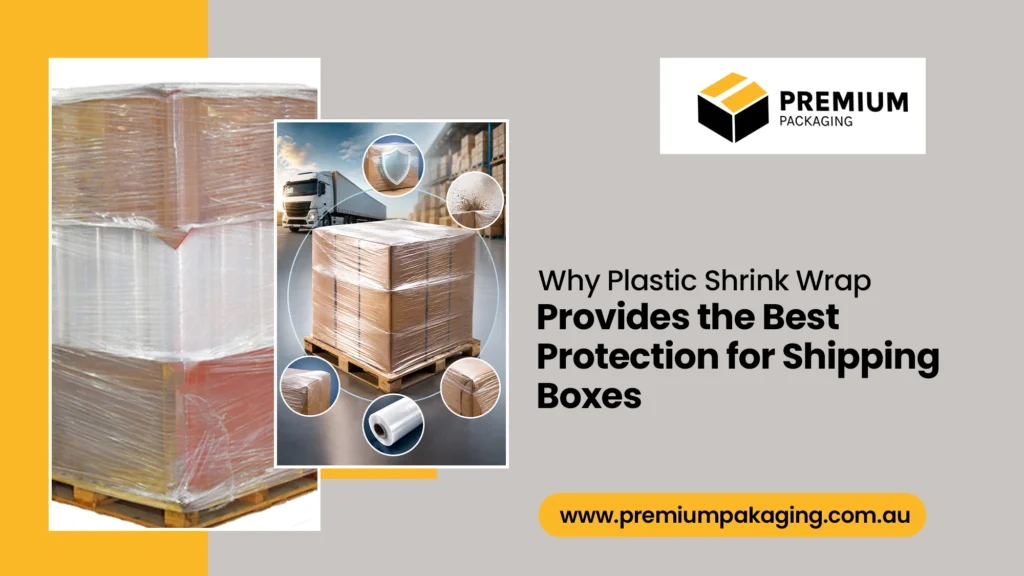
Plastic shrink wrap gives the carton an outer skin. The film is applied loosely, then heat pulls it in tight against the board so it follows every edge and corner. It locks the flaps down and seals the surface against water, dust and interference. For Australian businesses dispatching through third-party couriers and 3PL networks, where the carton spends most of its life outside your control, that outer layer is frequently the difference between a clean delivery and a credit note.
What shrink wrap actually does to a shipping box
Shrink film is heat activated. Polyolefin film, usually shortened to POF, is placed over the carton and then passed under a heat gun or through a shrink tunnel. The film contracts and conforms to the shape of the box, forming a clear layer that grips the board rather than simply covering it.
This is a different mechanism to stretch film, which relies on tension and cling and never sees heat at all. Confusing the two leads to the wrong material being ordered, and the two films are not interchangeable on a dispatch line. We have set out how each one behaves in our guide to the differences between shrink film and stretch film.
Once the film has shrunk, the carton behaves differently. The board is sealed. The flaps are held closed by something other than tape. The printed surface is under a protective layer. Any attempt to get inside leaves a visible break in the film.
The damage shrink wrap is built to prevent
Moisture and humidity
Corrugated board loses compression strength as it takes on moisture. A carton rated to carry the stack above it will soften and bulge once the board is damp, and the load it was holding up comes down with it. The moisture does not need to come from rain. Humidity in a shed without climate control, condensation when chilled goods move into ambient temperature, and a wet loading bay all produce the same outcome. A shrunk film layer keeps liquid water off the board and holds the carton at the strength it was specified to deliver.
Where the moisture is coming from the product rather than the weather, the barrier belongs on the inside of the box. Food processors and chilled distributors line their cartons for exactly this reason, and carton liners sit alongside film in the plastic packaging range.
Dust, dirt and contamination
Cartons that sit in storage, or move through construction, agricultural, mining or general industrial environments, arrive marked. That is a commercial problem well beyond appearance. Retail receiving teams reject cartons that fail a visual check, and a rejected carton at the door becomes a returned consignment, a re-pack and a delayed invoice. Where the shipping box doubles as the retail-ready unit, a clean outer surface is part of the product.
Film seals the board against airborne dust and general handling grime for the entire time the carton is in transit and in storage.
Tampering and pilferage
Tape can be slit along the seam and re-applied. A carton that has been opened and re-taped in a depot will often pass a quick glance. Shrunk film cannot be opened and put back. The break is visible, it is permanent, and the receiving team can check it at the door before signing.
For high-value consignments, controlled goods, or any load that changes hands several times before it reaches the customer, that visible break gives you a chain-of-custody signal that tape alone cannot provide.
Flap lift and seal failure
Carton failures very often begin at the top flap. Tape applied over dusty board, applied in cold conditions, or applied at the wrong tension will release at the edge, and once the flap lifts the carton has effectively opened itself. Shrink film holds the flaps closed independently of the adhesive, so a tape failure in the field does not become an open box.
Film is not a substitute for correct sealing practice. Carton sealing still starts with the right grade of tape applied properly, and the packaging tape and dispenser range covers the adhesive and equipment side of that job.
Abrasion and print damage
Cartons rub against each other, against roller decks and against the walls of a cage trolley for the whole journey. Printed board scuffs, labels lift at the corner and barcodes stop scanning. A scanned label that fails at the depot puts the consignment into an exceptions queue, and exceptions cost time that nobody has budgeted for. Clear film keeps the label and the print readable while taking the abrasion itself.
Where shrink wrap is not the right answer
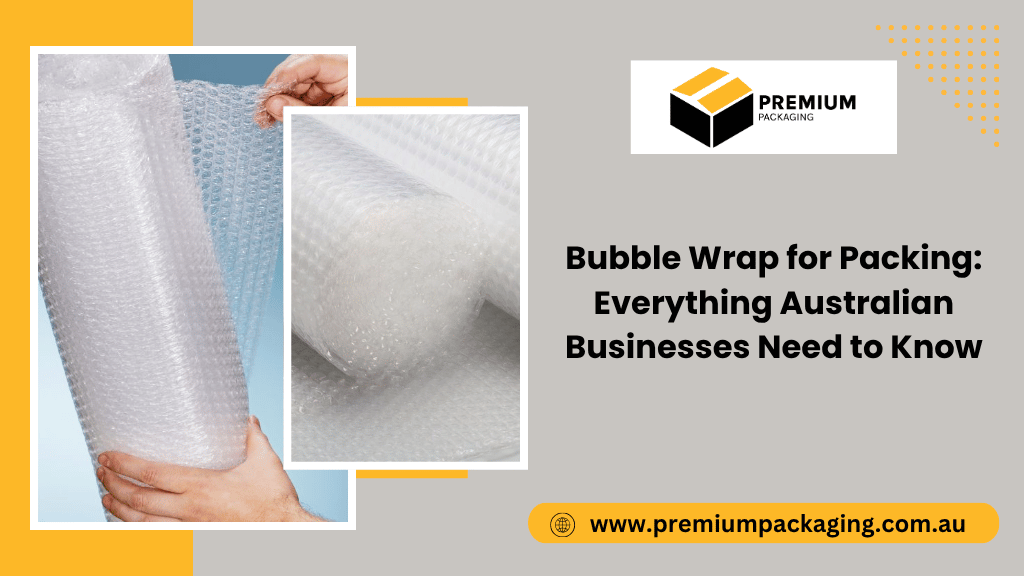
Shrink film seals the outside of a box. It does not cushion what is inside it. If the contents can move, they will move, and film wrapped around the exterior will do nothing to stop it. Void fill and cushioning are separate decisions, and the protective packaging range, including bubble wrap, handles what happens inside the carton.
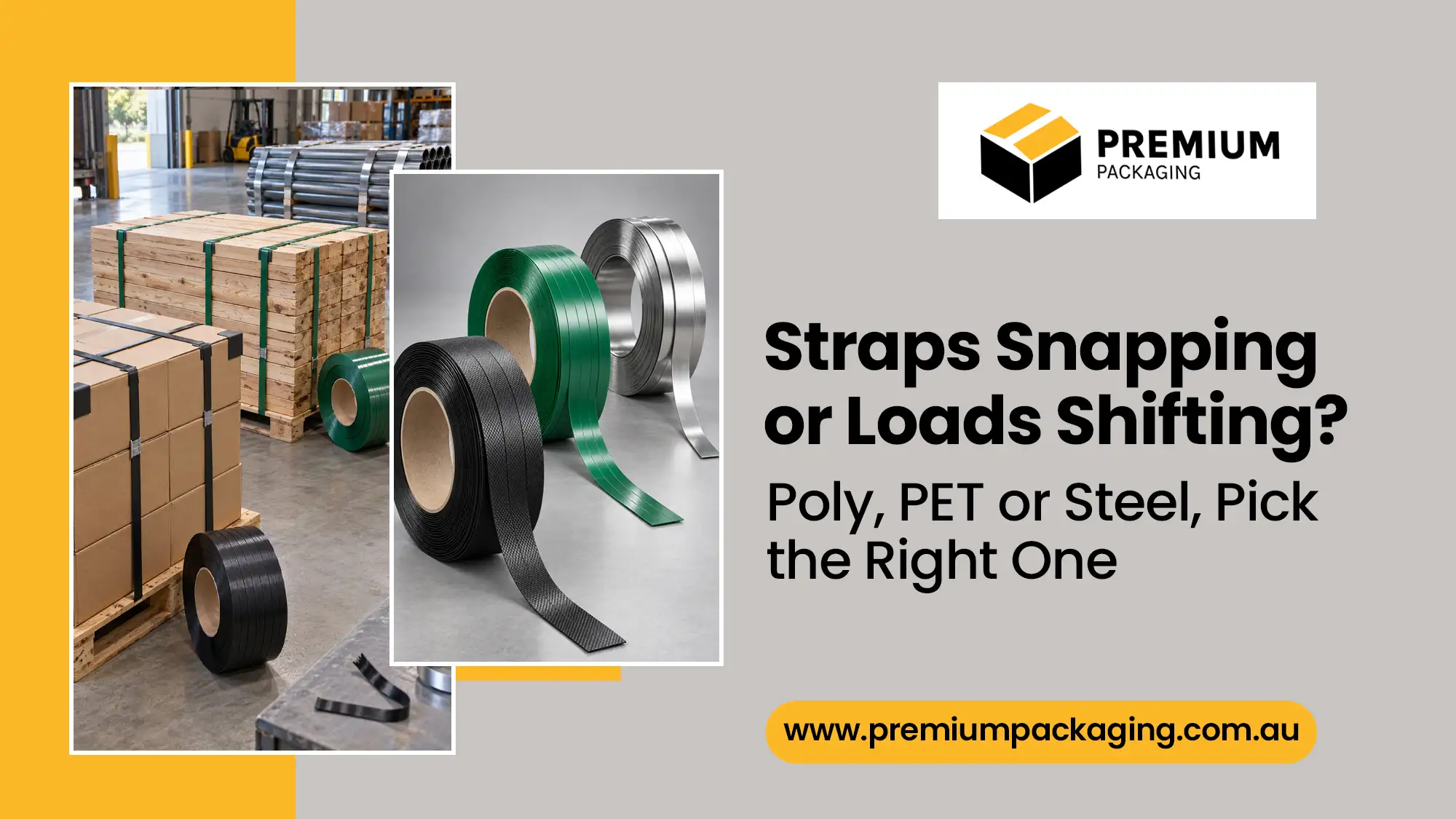
Film also does not stabilise a pallet. Once cartons are stacked and unitised, the job changes from sealing a single box to holding a load together through cornering, braking and forklift handling. That is work for pallet wrap and stretch film, with strapping where the load is heavy or the stack is tall.
The operations that get the best result treat these as layers of one system rather than competing options. The carton carries the load, cushioning protects the contents, shrink film seals the box, and stretch film and strapping hold the unitised pallet together.
Specifying the right film for your cartons
Film selection is an operational decision, not a purchasing formality. Four things determine whether the film performs on your line.
- Gauge. Film thickness is measured in microns and is matched to the weight of the pack and the sharpness of its edges. Under-specify and the film splits at the corner. Over-specify and you are buying material the job does not need.
- Width and format. Roll width and centre-fold size are matched to the dimensions of what you are wrapping. A film that is too narrow will not close around the pack, and a film that is far too wide wastes material on every unit.
- Equipment. A heat gun suits low volumes and irregular runs. Higher throughput lines run an L-bar sealer with a shrink tunnel, which delivers a consistent result at speed and removes the operator variability that comes with hand shrinking.
- Clarity. Barcodes and labels have to scan through the film on the first attempt at every handover point. Clarity is a throughput specification, not a cosmetic one.
Premium Packaging supplies commercial-grade POF shrink film in roll formats built for manual, semi-automatic and automated systems, with the puncture resistance and clean sealing behaviour that high-volume packing benches depend on.
Building shrink wrap into a dispatch workflow
The value of film shows up in consistency. A packing bench that has film, tape, cartons and cushioning on hand at the start of every shift will keep its pack rate. A bench waiting on a part-delivered order will not, and the pressure to get consignments out the door is exactly when packing standards slip and damage rates climb.
Sourcing dispatch consumables from one supplier keeps that from happening. Cartons, tape, film, void fill and strapping arrive together, on the same purchase order, on a schedule that matches your throughput. Premium Packaging supports manufacturers, food processors, distributors, eCommerce operators and 3PL providers with bulk supply and recurring orders delivered Australia-wide from our Sydney base, and our team can specify film grade and roll format against what your line is actually wrapping.
The waste case for wrapping cartons properly
Every carton that arrives damaged becomes a second shipment. That means replacement stock, a second box, another run of tape and film, a return freight leg and the administration that goes with all of it. The single most effective way to reduce packaging waste in a dispatch operation is to stop sending goods twice.
Correct gauge specification does the rest. Film that is thicker than the application requires is material spent for no protective return, and getting the specification right is where most operations find their easiest reduction. Premium Packaging also carries recyclable and lower-waste options across the wider protective packaging range for businesses working to reduce material use across the dispatch process.
Frequently asked questions
Can you shrink wrap a cardboard shipping box?
Yes. Shrink film is applied over the carton and heated so it contracts tightly against the board. It seals the flaps, protects the printed surface and creates a moisture and dust barrier around the box.
Does shrink wrap make a cardboard box waterproof?
Shrunk film creates a barrier that keeps liquid water off the board during transit and storage. It protects the carton from rain, condensation and wet loading bays, though it is not designed for prolonged submersion.
What is the difference between shrink wrap and stretch wrap for cartons?
Shrink film needs heat to contract around a single carton or a small bundle. Stretch film uses tension and cling to hold palletised loads together. They serve different points in the dispatch process.
What thickness of shrink film should a business use for shipping boxes?
Gauge is matched to pack weight and edge sharpness. Lighter films suit retail cartons and light bundles, while heavier grades are needed where corners are sharp or the pack is heavy. Our team can specify to your application.
Do I need special equipment to shrink wrap cartons?
A heat gun is enough for low volumes and irregular runs. Higher throughput dispatch lines use an L-bar sealer with a shrink tunnel, which gives a consistent finish and removes operator variability at speed.
Get the right film specified for your dispatch line
Premium Packaging supplies POF shrink film, cartons, tape, cushioning and strapping to Australian businesses, with bulk quantities and recurring supply delivered Australia-wide. Tell our team what you are wrapping and we will specify the film grade, gauge and roll format to suit your equipment.
Speak with a packaging specialist