Choosing the right food packaging is not just about looks—it’s about food safety, sustainability, storage efficiency, and cost-effectiveness. Whether you’re selling gourmet meals, snacks, condiments, or dry goods, understanding the various packaging types helps you meet regulatory standards and customer expectations.
To get quality options across various formats, businesses can partner with trusted vendors like packaging wholesale Australia, which provide tailored solutions for local food businesses.
Let’s explore the major types of food packaging
used in Australia, including their features, benefits, and use cases.
1. Plastic Packaging
Plastic remains one of the most common materials used in food packaging due to its versatility. There are several types:
- PET (Polyethylene Terephthalate): Often used for clear beverage bottles and salad containers due to its high clarity and strength.
- HDPE (High-Density Polyethylene): Used for milk bottles and juice containers, offering excellent chemical resistance.
- LDPE (Low-Density Polyethylene): Found in squeeze bottles and cling wraps.
Advantages:
- Lightweight and cost-efficient
- Moisture and oxygen barrier
- Ideal for branding with print and labels
Challenges:
Plastic packaging faces increasing scrutiny in Australia due to environmental impact. The National Plastics Plan 2021 by the Australian Government is pushing for 100% recyclable, compostable, or reusable plastic packaging by 2026.
Latest Stat:
According to the Australian Packaging Covenant Organisation (APCO), plastic accounts for around 37% of the total food packaging waste—making it a top priority for reform.
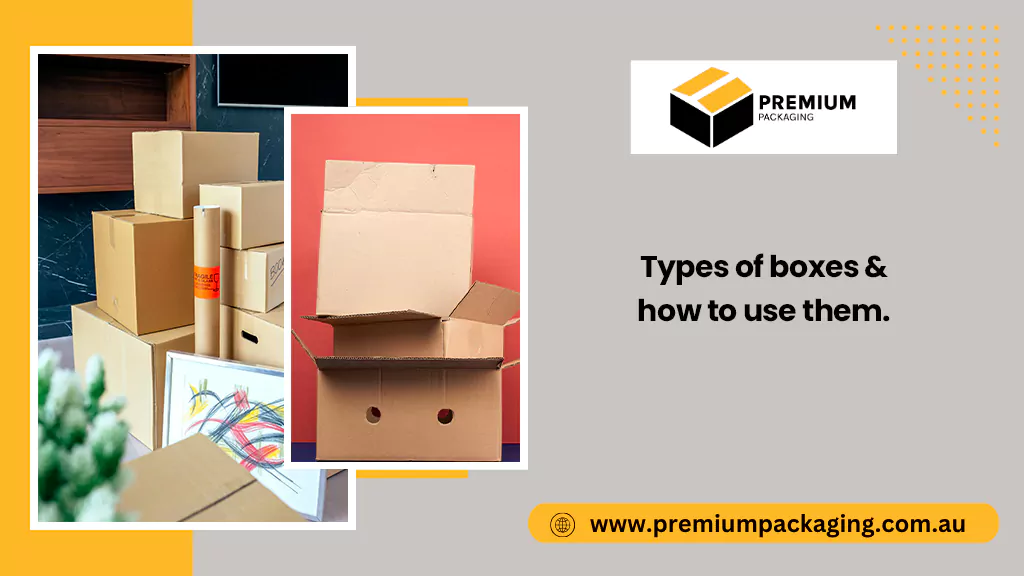
2. Cardboard & Corrugated Boxes
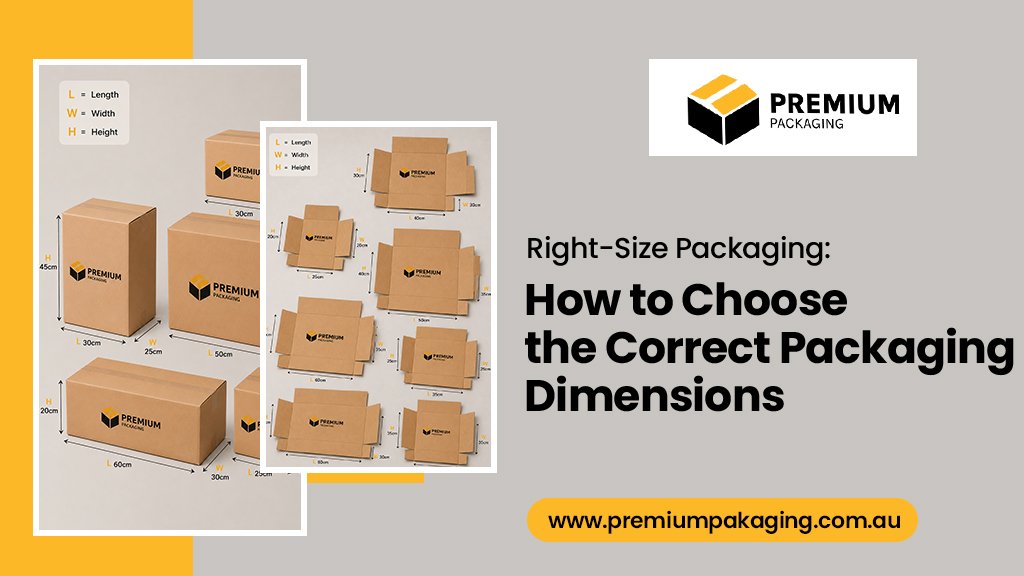
Cardboard is widely used for outer packaging and bulk food shipping. It’s available in:
- Single-wall: Used for lighter items like snack boxes.
- Double-wall: Ideal for heavier or fragile food items like bottled sauces.
Benefits:
- Biodegradable and recyclable
- Can be printed for branding
- Sturdy for stacking and transport
In meal kit businesses and cloud kitchens across Australia, coated or laminated cardboard ensures moisture resistance while keeping packaging eco-friendly.
Use Case:
Services like Premium Packaging offer custom-sized corrugated boxes for food deliveries and bulk handling.
3. Glass Containers
Glass is synonymous with quality and sustainability. Commonly used glass types include:
- Soda-lime glass: General-purpose jars and bottles
- Borosilicate glass: High-resistance, used for baking or heat-based applications
Why use glass?
- 100% recyclable with no loss in quality
- Preserves flavour and prevents contamination
- Ideal for premium food products
Safety Note:
Tamper-evident lids and shrink bands are often added for safety in transit.
Consumer Trend:
Australians are increasingly drawn to reusable glass jars for home use, boosting your brand visibility beyond the initial purchase.
4. Aluminium Foil Packaging
A popular material for takeaway containers, baked goods, and frozen meals.
Key Features:
- Excellent thermal conductivity
- Protects from light, oxygen, and moisture
- Recyclable and oven-safe
Foil packaging is especially popular in the Indian takeaway and catering segments in Melbourne and Sydney, thanks to its food-safe and heat-retaining properties.
Bonus Tip:
Foil lids or laminated foil pouches are widely used in ready-to-eat curries and rice packs for supermarkets.
5. Vacuum-Sealed Packaging
Vacuum sealing removes air from the packaging, drastically improving shelf life and hygiene. It’s commonly combined with MAP (Modified Atmosphere Packaging)
to replace oxygen with a gas mix (like nitrogen and CO₂).
Benefits:
- Extends shelf life up to 5 times
- Prevents spoilage and microbial growth
- Ideal for exports and cold chains
Where it’s used:
Meat processors, seafood exporters, and dairy brands in Australia rely on vacuum-sealing to maintain freshness from production to retail.
6. Biodegradable & Compostable Packaging
As eco-awareness grows, businesses are adopting sustainable alternatives to plastic. These include:
- Bagasse (sugarcane pulp): Used for food trays and clamshell containers
- PLA (polylactic acid): Bioplastic made from corn starch
- Cellulose film: Clear, compostable wraps for dry foods
Cost vs Impact:
While slightly costlier than plastic, compostable packaging builds a strong brand reputation and aligns with the Australian Packaging Targets 2026.
Did You Know?
Some councils in Australia now offer industrial composting facilities that accept bagasse-based food containers.
7. Flexible Pouches (Stand-Up, Zippered)
These lightweight, resealable pouches are dominating shelves in the snack and health food sectors.
Types:
- Flat Pouches: Economical for single-serve items
- Gusseted Pouches: Allow products to stand upright
Material Structure:
Typically made from laminated layers like PET, MET-PET, and LLDPE to ensure durability and barrier protection.
Added Features:
- Resealable zippers, Velcro, spouts
- Matte/gloss finishes with custom printing
Flexible pouches are often digitally printed, allowing even small-scale food startups in Australia to brand their products affordably.
8. Clamshell Packaging
Made from PET or PLA, these hinged containers are ideal for fresh and ready-to-eat foods.
Best For:
- Salads, sandwiches, baked goods
- Cut fruits and sushi
Benefits:
- Excellent product visibility
- Easy stacking for retailers
- Tamper-evident closures
In major supermarket chains like Woolworths and Coles, clamshell packaging is a staple in the deli and bakery aisles.
9. Paper Packaging
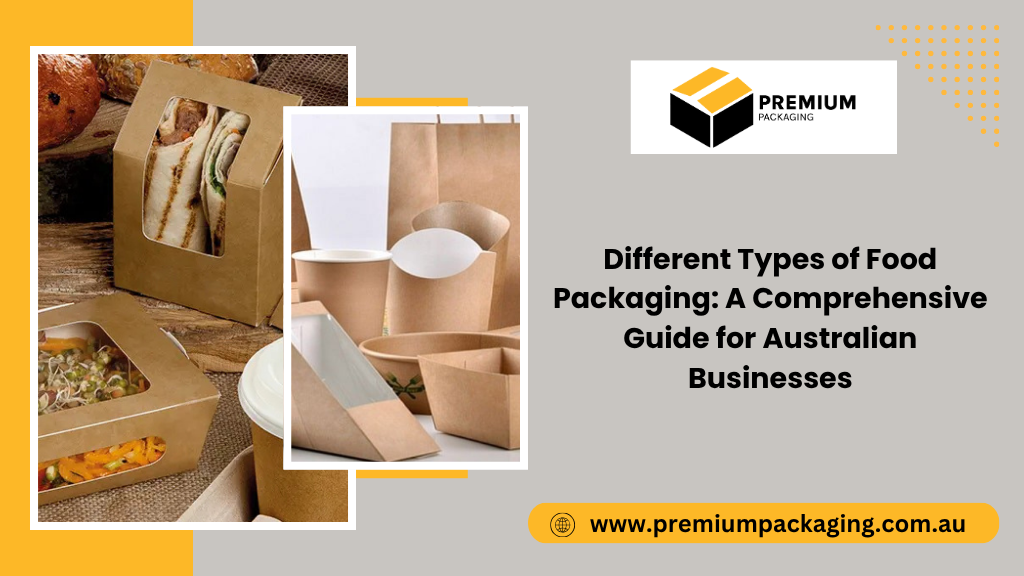
Paper bags, wraps, and pouches remain popular for short-life, dry food items.
Types of Paper Used:
- Kraft paper: Strong, natural look
- Greaseproof or waxed paper: Used for oily or moist food items
Why Choose Paper?
- Compostable and recyclable
- Lightweight and customizable
- Compatible with soy-based eco-friendly inks
Used extensively in cafes, bakeries, and food trucks across Australia for burgers, pastries, and coffee snacks.
10. Rigid Plastic Trays with Sealed Films
These trays are used in supermarket-ready products like meat packs, microwaveable meals, and fresh produce.
Tray Materials:
PET, polypropylene, and HIPS (High-Impact Polystyrene)
Top Seal Films:
PE, EVOH-laminated films to ensure oxygen barrier and reseal functionality.
Benefits:
- Leakproof and tamper-resistant
- Compatible with automated sealing machines
- Microwave-safe options available
Retailers prefer these for hygiene, shelf appeal, and automation compatibility.
Why Packaging Matters More Than Ever
- Freshness & Shelf Life: The right barrier materials keep food fresher, longer.
- Food Safety Compliance: Australian food packaging must meet FSANZ standards.
- Branding & Visibility: Packaging design is the first impression.
- Sustainability Goals: Sustainable packaging helps meet APCO and government regulations.
Conclusion
Understanding the different types of food packaging
empowers food businesses in Australia to improve product quality, reduce waste, and align with modern consumer values. From flexible pouches for dry snacks to glass jars for luxury spreads, your choice of packaging shapes both your product’s journey and your brand’s identity.
For bulk deals and sustainable options, check out packaging wholesale Australia—your reliable partner for everything food packaging.
People Also Ask (FAQs)
1) What are the main types of food packaging used in Australia?
Plastic, cardboard, glass, aluminium, biodegradable options, and vacuum-sealed packaging are commonly used.
2) Which food packaging is most eco-friendly?
Bagasse, PLA bioplastics, and paper-based solutions are highly sustainable and compostable.
3) How does packaging affect shelf life?
Materials like vacuum seals and oxygen-barrier films prevent spoilage, thus extending shelf life.
4) Can you recycle food packaging in Australia?
Yes, many councils support kerbside recycling of glass, aluminium, cardboard, and some plastics.
5) What’s the best packaging for food exports?
Vacuum-sealed and MAP-based plastic or multilayer films are ideal for meat, seafood, and cheese exports.