Nearly every dispatch operation in Australia uses bubble wrap somewhere in its workflow, yet few procurement teams are given clear guidance on which size or grade actually suits their freight. Specify a film that is too light and transit damage climbs. Specify heavier than the job requires and every consignment carries material it does not need. This guide explains how bubble sizes, film grades and roll formats differ, so your team can order the right wholesale bubble wrap rolls with confidence the first time.
Bubble Sizes: 10mm and 20mm Explained
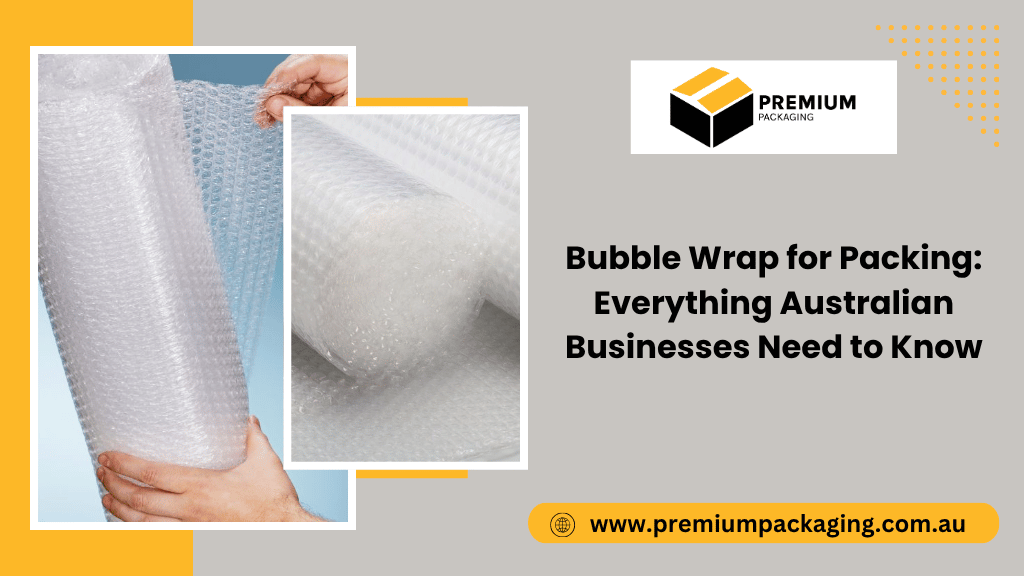
Bubble diameter determines how the film cushions. A 10mm bubble sits closer to the product surface, conforms tightly around small and irregular items, and suits lighter, fragile goods such as glassware, ceramics and packaged components. A 20mm bubble holds a larger air pocket, which absorbs heavier impacts and gives better protection to corners and edges on rigid, weighty items.
Dispatch operations handling a mixed product range typically keep both on the bench: 10mm for the small, fragile work and 20mm for anything with real weight behind it. If your damage reports show corner crush or edge impact, that is usually a signal to move the affected lines to a larger bubble.
Film Grades: From Lite to Heavy Duty
Bubble size is only half the specification. Film thickness sets how much handling the wrap survives before bubbles rupture.
- Lite: Bubble wrap lite is a lighter film for low-risk consignments and internal void fill. It suits high-volume operations where packaging weight is monitored line by line.
- Standard: Standard bubble wrap covers the bulk of everyday commercial dispatch, from eCommerce orders to retail stock transfers.
- Heavy duty: The heavy duty bubble wrap range uses a stronger film built for interstate freight, machinery components and any supply chain where a parcel is handled many times between packing and delivery.
- Double sided: Double sided bubble wrap cushions both faces of the film, which protects goods packed against each other inside a shared carton or crate.
Specialty Films for Specific Commercial Risks
Some freight carries risks that a general-purpose film does not address. Electronics manufacturers, repair centres and technology retailers should specify anti-static bubble wrap for circuit boards, components and assembled devices, since ordinary film can generate the static charge that damages sensitive electronics. Freight exposed to temperature swings in transit, including non-perishable healthcare items and coated industrial goods, benefits from foil laminated bubble wrap, which pairs cushioning with a reflective thermal layer. Kraft and foam laminated films are also available for polished furniture and finished surfaces that mark easily under direct bubble contact.
Roll Widths and Formats for the Packing Bench
Width is an operational decision as much as a product one. Narrow rolls reduce film waste on small items and keep benches organised; wide rolls make quick work of furniture, appliances and artwork. Perforated rolls speed up tear-off at busy stations, and dispensers keep the film moving without a packer leaving the bench. For repeatable small-item work, bubble bags remove the wrapping step entirely: the packer inserts the item, seals the pouch and moves to the next order. Across a full shift, those saved seconds are measurable labour.
Matching the Specification to Freight Risk
Four questions settle most bubble wrap decisions. How heavy is the item? Weight drives bubble size. How far does it travel, and how many times is it handled? Handling count drives film grade. Does the surface mark easily? Surface sensitivity drives laminated options. Is the product static-sensitive? Electronics drive anti-static film.
A parcel travelling once across a city on a single carrier faces a different risk profile than one crossing the country through three depots. Specifying against the actual journey, rather than habit, is where most businesses find their damage rates improve.
Where Sustainability Fits
Bubble wrap is manufactured from low-density polyethylene, which soft plastic recycling programs accept from Australian businesses. Intact film can be reused across several dispatch cycles before recycling, which lowers consumption without changing the packing process. Operations reducing conventional plastic can also substitute biodegradable void fill inside cartons, while keeping bubble film for the exterior protection work it does best.
Frequently Asked Questions
What size bubble wrap do businesses use most?
The 10mm bubble in a standard film grade covers most commercial dispatch work. Operations shipping heavier or rigid goods add a 20mm heavy-duty film for those lines, and many benches run both sizes side by side.
What is the difference between 10mm and 20mm bubble wrap?
A 10mm bubble conforms tightly around small, fragile items and suits lighter goods. A 20mm bubble holds more air, absorbs heavier impacts and protects corners and edges on weighty, rigid items.
When should a business use heavy-duty instead of standard bubble wrap?
Move to heavy-duty when freight travels long distances, passes through multiple handling points, or involves bulky and high-value goods. The stronger film keeps bubbles intact through repeated handling, where a standard film would rupture.
Does bubble wrap lose its cushioning in storage?
Over long storage periods, poorly made film can gradually lose air and with it protective performance. Buying from a supplier with regular stock turnover ensures the rolls arriving at your bench still hold their full cushioning.
Is bubble wrap recyclable for businesses in Australia?
Yes. It is made from low-density polyethylene and is accepted through soft plastic recycling programs. Reusing intact wrap across several dispatch cycles before recycling further reduces packaging consumption.