If your business is relocating an office, shifting stock between sites, or fitting out a new store, the cartons you pack decide how much survives the trip. Grabbing free boxes from behind a supermarket feels like a saving, until a base gives way in the lift, a stack topples in the truck, or a day of the move is lost to re-taping and repacking. Buying moving boxes is an operational and safety decision, not a line item to cut. Here is the difference it makes, and how to buy the right ones.
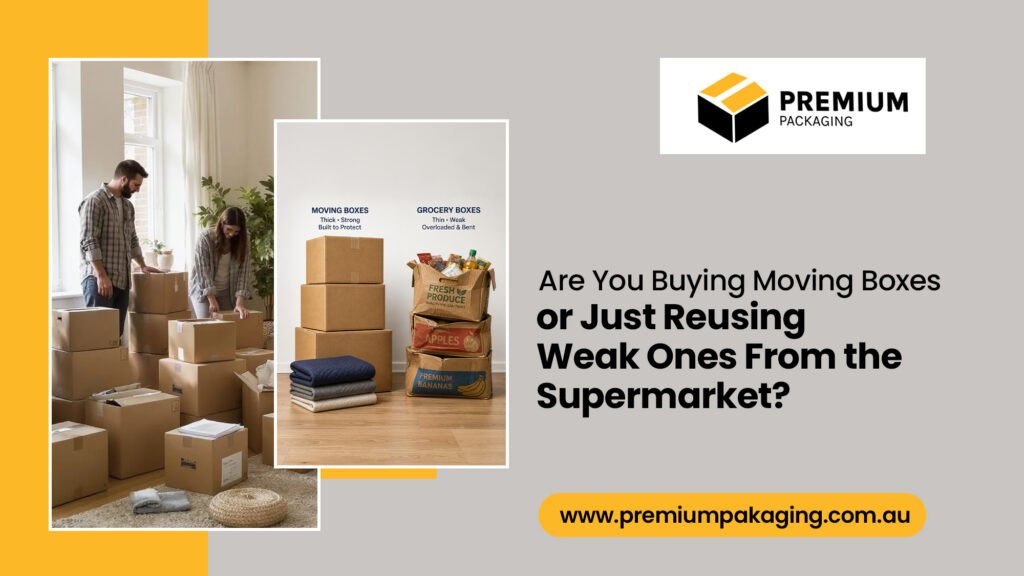
The hidden cost of “free” supermarket boxes
A used carton costs nothing at pickup and plenty afterwards. Retail cartons are built to hold one product on a shelf, once, not to be packed heavily, stacked five high and carried down a stairwell. On a commercial move, that gap shows up as:
- Damaged stock and equipment when a weak box fails.
- Lost time as staff hunt for boxes, sort mismatched sizes and reinforce flimsy ones.
- Manual handling risk when overloaded or collapsing cartons becomes a workplace safety problem.
- Delays that push out a relocation and keep a site half-operational for longer.
Measured against a day of stalled operations or a pallet of damaged goods, the price of purpose-made boxes is small.
Why do used retail cartons fail on a commercial move
Free boxes carry problems you cannot see:
- Unknown history. A carton that has already been packed, shipped and unpacked has spent its strength. Corrugated board fatigues, and a tired box looks fine until it is loaded.
- Mixed sizes. Odd dimensions will not stack squarely, so trucks and pallets carry air instead of goods and loads shift in transit.
- Contamination. Produce and food cartons are often damp, greasy or printed inside, which is no place for documents, electronics or clean stock.
- Print clutter. Old branding and labels make it hard to run a clear labelling system across a move.
- No reorder. When you run short at 4 pm on moving day, there is no shelf to pull more from.
What purpose-made moving boxes give your business
Buying moving boxes replaces guesswork with consistency:
- Consistent sizing that stacks squarely on pallets and in trucks, so you carry goods rather than space.
- The right board grade for the weight, so bases and corners hold up under stacking.
- Predictable bulk supply, so a large relocation is covered in one order with stock to spare.
- Simple reorder when volumes change.
- A tidy, professional look for client-facing moves and retail fit-outs.
Premium Packaging supplies strong, consistent moving boxes built for relocations, alongside general stock cartons for ongoing dispatch and storage.
Buying moving boxes: a quick procurement checklist
- Estimate volumes room by room or bay by bay, then add a buffer of 10 to 15 per cent.
- Standardise on a small range of sizes rather than a dozen or so sizes.
- Match board strength to the heaviest contents; books, files and tools need more than linen or light stock.
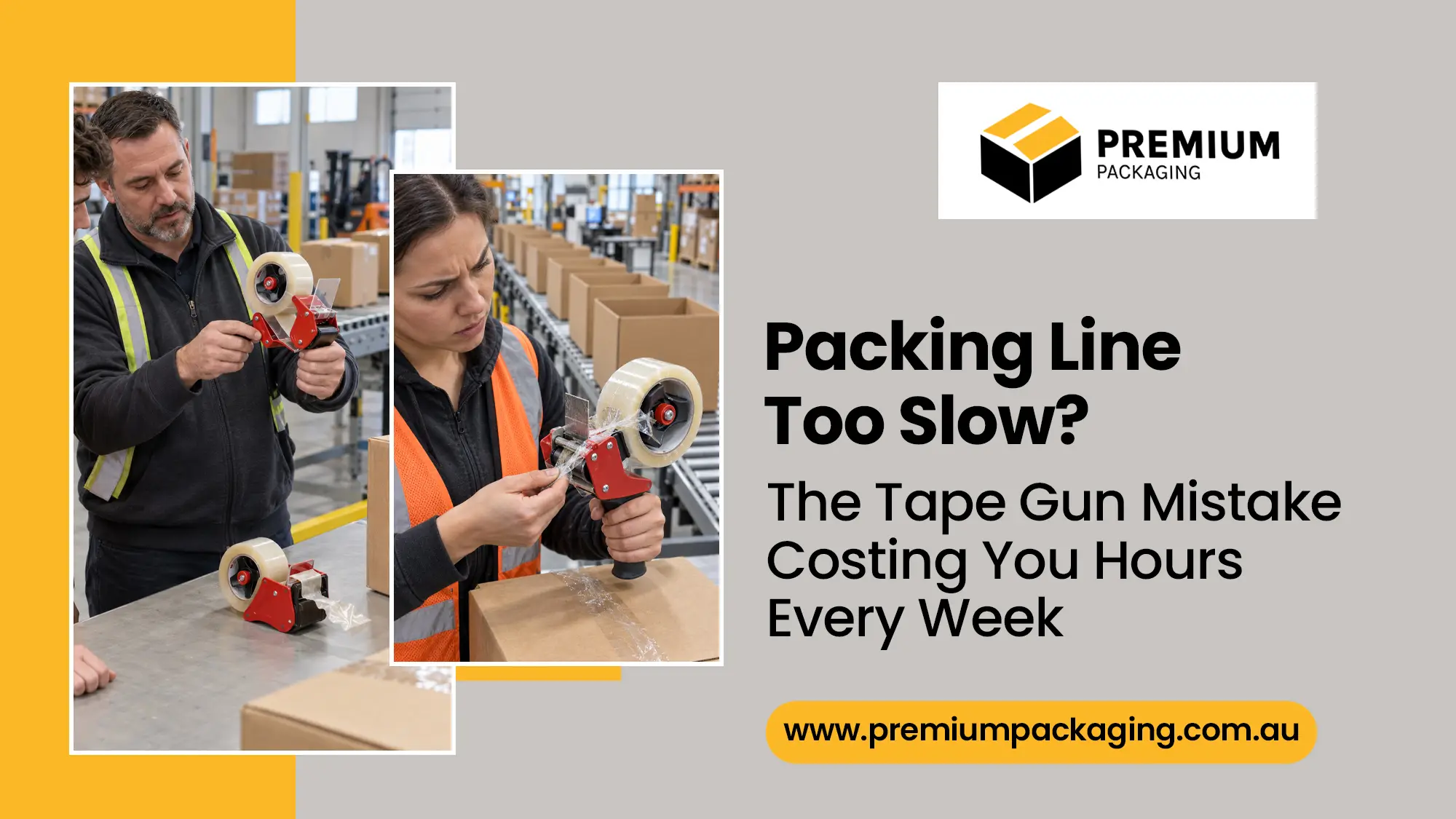
- Order protection alongside the boxes: tape, void fill, corner protectors and wrap.
- Book delivery ahead of the move date so packing can start early and calmly.
Match the box to the move
- Office relocations. Uniform cartons for files, equipment and personal effects keep floors clear and the move on schedule.
- Warehouse and stock transfers. Sturdy, consistent boxes that palletise cleanly protect inventory and keep the count accurate.
- Removalist companies. Buying moving boxes wholesale gives a reliable, presentable fleet of cartons to pass on to clients.
- Retail fit-outs. Clean boxes protect stock and fittings on the way in and keep the new space tidy.
- Records and archive storage. Correctly sized boxes stack safely in storage without crushing the layers below.
Protection that keeps stock intact
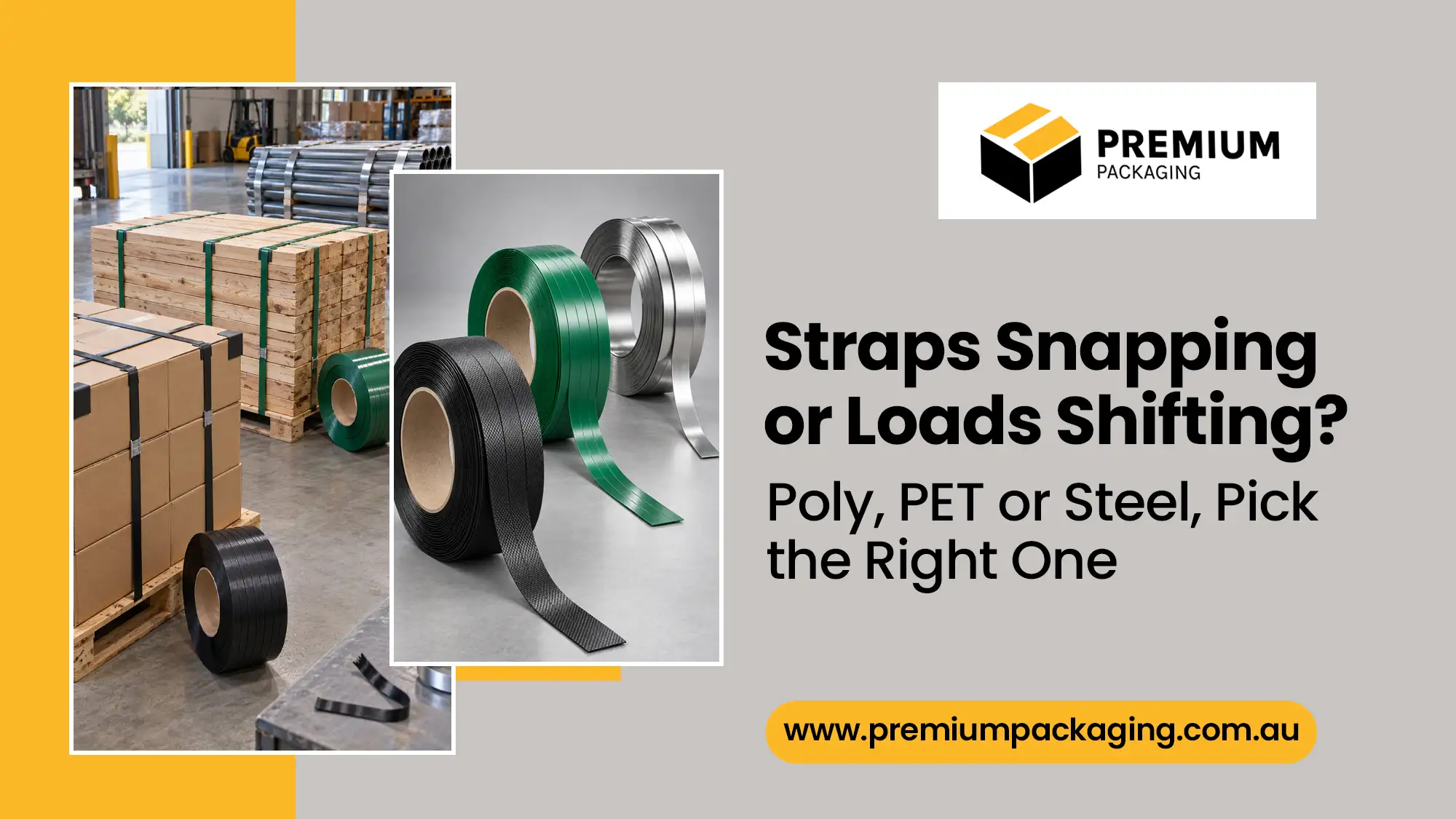
A good box is the start, not the whole job. Bubble wrap for fragile equipment, kraft paper for wrapping and void fill, corner protectors for edges and quality packaging tape for a secure seal all keep contents still and safe. For palletised loads, strapping and pallet pads hold the stack together in transit.
The sustainability angle, done properly
Reusing cardboard is sound in principle, and purpose-made corrugated boxes support it far better than random supermarket cartons. Good moving boxes are widely recyclable through commercial streams, and a controlled fleet of quality cartons can be folded, stored and reused across several moves before recycling, which unknown used boxes rarely survive. Right-sizing the range also means fewer boxes, less void fill and fuller loads, so the move takes fewer vehicle trips. Buying well and reusing within your own control beats collecting tired boxes you cannot vouch for.
Frequently asked questions
Are supermarket boxes strong enough for a business move?
Usually not for commercial use. Retail cartons are made for single use on a shelf, so they fatigue quickly and fail under stacking or heavy loads. For business relocations and stock moves, purpose-made moving boxes are far safer.
Why should a business buy moving boxes instead of collecting free ones?
Bought boxes give consistent sizes, the right strength and reliable bulk supply, which keeps a move safe, fast and on schedule. Free boxes bring mixed sizes, unknown strength and no way to reorder when you run short.
How many moving boxes should we order for a relocation?
Estimate volumes area by area, then add a buffer of about 10 to 15 per cent for last-minute items. Standardising on a few sizes makes stacking and truck loading far more efficient.
What size moving boxes are best for heavy items like files and equipment?
Use smaller boxes with a stronger board grade for heavy, dense contents so they are easy to lift and do not crush. Keep larger boxes for lighter, bulkier goods. Matching size to weight protects both stock and staff.
Are purpose-made moving boxes recyclable?
Yes. Quality corrugated moving boxes are widely recyclable through commercial cardboard streams, and a sound box can be folded and reused across several moves first. That is more reliable than reusing tired supermarket cartons of unknown history.