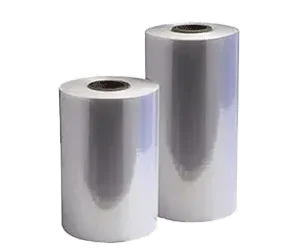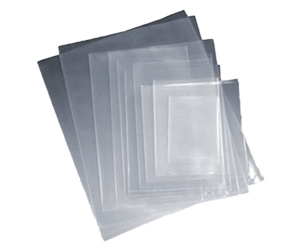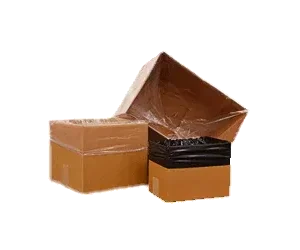
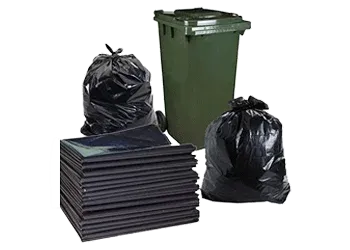
- High quality bin liners available in different sizes and thickness
- Perfect for use in your bins to keep the inside clean, ensuring your rubbish is securely contained
| CODE | DESCRIPTION | FAVOURITES | CTN QTY | 1+CTN RATE PRICE | 5+CTN RATE PRICE | QTY | ACTION |
|---|---|---|---|---|---|---|---|
| BLW18L | 18L Bin Liners White 1000/Ctn | 1 Ctn | $43.80 | $39.60 |
|
|
|
| BLW27L | 27L Bin Liners White 650 x 510mm 1000/Ctn | 1 Ctn | $50.40 | $47.40 |
|
|
|
| BLW36L | 36L Bin Liners White 700 x 590mm 1000/Ctn | 1 Ctn | $57.85 | $52.80 |
|
|
|
| BLB54L | 54L Bin Liners Black 640 x 850 250/Ctn | 1 Ctn | $67.20 | $63.00 |
|
|
|
| BLB72L | 72L Bin Liners Black 760 x 920m 250/Ctn | 1 Ctn | $69.00 | $64.80 |
|
|
|
| BLB80L | 80L Bin Liners Black 810 x 950m 250/Ctn | 1 Ctn | $70.20 | $64.80 |
|
|
|
| BLB120L | 120L Wheelie Bin Liners Black 200/Ctn | 1 Ctn | $72.60 | $69.00 |
|
|
|
| BLB120LHD | 120L Heavy Duty Bin Liners Black 100/Ctn | 1 Ctn | $43.80 | $41.40 |
|
|
|
| BLB240L | 240L Wheelie Bin Liners Black 200/Ctn | 1 Ctn | $105.60 | $103.80 |
|
|
|
| BLB240LHD | 240L Heavy Duty Bin Liner Black 100/roll | 1 Ctn | $110.40 | $105.60 |
|
|
|
| BLC240LHD | 240L H/D Clear LDPE Bin Liners 100/roll | 1 Ctn | $118.80 | $113.40 |
|
|
Bin Liners Online: Wholesale Rubbish Bags for Australian Businesses
Bin liners are one of those products that every business goes through in volume, yet rarely get the attention they deserve in the procurement process. The wrong choice leads to split bags, leaked waste, double-bagging, and unnecessary downtime for cleaning staff. The right choice keeps your facility clean, your waste streams contained, and your team moving efficiently.
Premium Packaging stocks a full range of commercial bin liners and rubbish bags suited to offices, retail stores, restaurants, commercial kitchens, warehouses, healthcare facilities, and industrial sites. Our range spans small 18-litre kitchen tidy bags to heavy-duty 240-litre wheelie bin liners, available in both HDPE and LDPE to suit different waste types and handling requirements.
Every bin liner we supply is designed for commercial use and sold in bulk roll or carton quantities, making us a practical wholesale partner for businesses that need a consistent, ongoing supply without the inconvenience of retail purchasing.
HDPE vs LDPE: Choosing the Right Bin Liner Material
Not all rubbish bags are made from the same plastic, and the material difference has real implications for how a bag performs in your facility. The two most common materials used in commercial bin liners are HDPE (high-density polyethylene) and LDPE (low-density polyethylene). Each has distinct strengths, and selecting the right one depends on the type of waste your business generates.
HDPE Bin Liners (High-Density Polyethylene)
HDPE liners are thinner, lighter, and more cost-effective per bag. They have a slightly crinkly feel and offer good resistance to chemicals and moisture. HDPE bags perform well for dry, lightweight waste such as paper, cardboard scraps, office rubbish, and general mixed waste that does not contain sharp or heavy objects. Their thinner construction means they take up less storage space per carton, which is a practical benefit for businesses with limited storage capacity.
The trade-off is that HDPE liners are more susceptible to puncture and tear when exposed to sharp edges, glass, or dense, heavy waste. For environments where bags need to contain sharp or abrasive items, LDPE is the better option.
LDPE Bin Liners (Low-Density Polyethylene)
LDPE liners are thicker, stretchier, and significantly more resistant to puncture and tearing. They have a smoother, more flexible feel and are the standard choice for wet waste, food scraps, glass, heavy refuse, and any application where the bag needs to stretch over irregular loads without splitting.
Commercial kitchens, hospitality venues, food processing facilities, and industrial workshops typically require LDPE bin liners because the waste generated in these environments is denser, wetter, and more likely to include sharp or irregular items. LDPE bags are also the preferred choice for outdoor bins and wheelie bins where bags are exposed to weather and rough handling during collection.
If your business generates a mix of waste types across different areas, stocking both HDPE and LDPE liners and allocating them by location is a practical approach. Light office waste bins get HDPE. Kitchen, bathroom, and workshop bins get LDPE.
Bin Liner Sizes: Matching Bags to Bins
Using a bin liner that does not fit the bin properly creates problems at both ends. A bag that is too small slips down inside the bin, bunches at the top, and makes tying off difficult. A bag that is too large wastes material and creates excess plastic that gets in the way during use. Matching liner size to bin capacity ensures a clean fit, secure overhang at the rim, and efficient use of every bag.
Here is a guide to the most common commercial bin sizes and the corresponding liner capacity:
18L to 20L (small office and bathroom bins). These compact liners suit desk-side bins, bathroom sanitary bins, and small kitchen tidy bins. They are the highest-turnover size in most office environments, so buying in bulk quantities delivers meaningful savings over time. Businesses managing multiple office floors or retail locations should consider this a staple in their inventory.
36L to 56L (medium bins and kitchen tidies). Mid-range liners suit standard kitchen bins, breakroom bins, and medium-capacity waste stations. They are widely used across hospitality, food service, and retail environments where bins are emptied multiple times per day.
72L to 82L (large indoor bins). These liners fit large pedal bins, swing-top bins, and indoor waste stations commonly found in commercial kitchens, warehouse break areas, and healthcare facilities. A heavy-duty LDPE liner in this size range handles wet, dense, or mixed waste without risk of splitting during removal.
120L (standard council wheelie bins). The 120-litre wheelie bin is the standard issue for general waste and recycling across most Australian council areas. Businesses that manage their own bin collections or contract private waste services typically go through 120L liners in high volume.
240L (large wheelie bins). The largest standard wheelie bin size used in commercial settings. 240L bin liners need to be extra heavy-duty to handle the volume and weight of waste they contain, particularly in food service, manufacturing, and construction environments.
Premium Packaging also supplies waste bins in a range of capacities if your facility needs new bins to pair with your liner order.
Where Commercial Bin Liners Get Used
Bin liners are a fundamental consumable across nearly every type of commercial operation. The specific requirements vary by industry, but the underlying need is the same: reliable containment of waste that keeps facilities clean, hygienic, and compliant.
Offices and Corporate Environments
Open-plan offices, meeting rooms, kitchenettes, print rooms, and reception areas all generate steady volumes of dry waste. Small 18L to 36L HDPE liners are the standard choice here. For businesses with dedicated cleaning contractors, supplying liners in bulk roll format allows cleaners to carry a single roll across an entire floor rather than retrieving individual bags from a storeroom.
Hospitality, Restaurants, and Commercial Kitchens
Food waste is heavy, wet, and often contains bones, glass, and sharp packaging. Commercial kitchens require heavy-duty LDPE liners (typically 72L to 82L) that can handle dense food scraps without leaking or tearing during removal. Front-of-house areas such as dining rooms and bars often use lighter HDPE liners for napkin and dry-waste bins. Pairing the right liner with the right bin location across a venue reduces waste-handling issues and keeps your kitchen in compliance with food safety standards.
Warehouses, Distribution Centres, and Manufacturing
Warehouses generate packaging offcuts, strapping, tape remnants, damaged stock, and general refuse. Large 120L or 240L LDPE liners are standard for these environments because the waste is often bulky, heavy, or contains sharp edges from broken pallets and cut cardboard. If your warehouse also uses stretch wrap and strapping in its operations, the offcuts from those materials can quickly fill a standard bin, making durable liners a necessity.
Healthcare, Aged Care, and Childcare Facilities
Healthcare and care environments have strict hygiene requirements for waste containment. Bin liners in these settings need to be leak-proof, strong enough to handle clinical waste, and available in colour-coded options where waste stream segregation is required. LDPE liners are the preferred material for their superior leak resistance. Clear liners are often used for general recycling, while coloured options (typically yellow or red) are used for clinical or hazardous waste streams in line with facility protocols.
Retail Stores and Shopping Centres
Retail environments use bin liners in back-of-house areas (stockrooms, staff kitchens, loading docks) and customer-facing locations (food courts, bathrooms, public waste stations). The combination of high foot traffic and diverse waste types means most retail operations stock multiple liner sizes. Pairing your bin liner supply with singlet bags and carry bags from a single supplier simplifies procurement and reduces the number of vendors your operations team needs to manage.
Star Seal vs Flat Seal: Why the Base Matters
The seal at the bottom of a bin liner determines how the bag distributes weight and whether it is prone to leaking. This is a detail that procurement teams often overlook, but it makes a significant difference in day-to-day performance.
Star seal (radial seal) liners have multiple seams that converge at the centre of the base, creating a flat bottom when the bag is placed inside a bin. This design distributes weight evenly, eliminates the “”ears”” or corner gaps that collect liquid, and provides a snug fit against the bin walls. Star seal bags are the preferred construction for most commercial applications because they reduce leaks and simplify bin changes.
Flat-seal (side-seal) liners have a single seam along the bottom. While simpler to manufacture, flat seal bags create corner pockets where liquid can pool, and the bag tends to bunch inside the bin rather than conforming to the shape. Flat seal bags are adequate for very light, dry waste, but underperform in environments involving moisture, food waste, or heavy refuse.
When ordering bin liners in bulk, confirming the seal type ensures you receive bags that perform reliably across your facilities. All commercial-grade bin liners from Premium Packaging use seal construction suited to the intended application.
Buying Bin Liners in Bulk: What Businesses Should Know
For any business going through more than a few rolls of bin liners per month, switching from retail purchasing to wholesale supply delivers immediate benefits. Beyond per-unit savings, wholesale procurement means fewer orders, less administrative overhead, and the certainty that stock is available when your facility needs it.
Bulk bin liners from Premium Packaging are supplied on rolls packed in cartons, with roll counts and bag quantities clearly marked for easy inventory management. Roll format is the most efficient dispensing method for cleaning teams, allowing fast bag changes without fumbling through folded bags in a box.
For businesses that consistently consume large volumes (such as cleaning contractors serving multiple sites, large hospitality groups, or facilities management companies), our team can set up recurring supply arrangements with scheduled deliveries. This removes the risk of running out during peak periods and reduces the time your procurement team spends placing repeat orders.
If bin liners are part of a broader packaging supplies requirement for your business, consolidating your order with a single wholesale supplier like Premium Packaging simplifies logistics and can unlock better pricing across your entire packaging and consumables spend.
Frequently Asked Questions
What types of bin liners do you supply?
We stock bin liners in sizes from 18L to 240L, in both HDPE (high-density polyethylene) and LDPE (low-density polyethylene). Our range includes liners for small office bins, kitchen tidies, large indoor bins, and standard 120L and 240L wheelie bins. Black and clear options are available across most sizes.
What is the difference between HDPE and LDPE bin liners?
HDPE liners are thinner and lighter, best suited to dry, lightweight waste such as paper and office rubbish. LDPE liners are thicker and more puncture-resistant, designed for wet, heavy, or sharp waste commonly found in kitchens, workshops, and outdoor bins. Most businesses benefit from stocking both types and allocating them by bin location.
Do you sell bin liners in bulk?
Yes. All bin liners in our range are sold in commercial bulk quantities (cartons of rolls), making them suited to businesses that consume liners in volume. We can also arrange recurring supply for high-usage customers such as cleaning contractors, hospitality groups, and facilities management companies.
What size bin liner fits a standard wheelie bin?
A standard Australian council wheelie bin is either 120L or 240L. We stock liners to fit both sizes. 120L liners suit the smaller general-waste or recycling bin, while 240L liners suit the larger wheelie bin used for general-waste and green-waste collection.
Can I order bin liners together with other packaging supplies?
Absolutely. Many of our customers combine bin liners with plain poly bags, packing tape, bubble wrap, cardboard boxes, and other consumables in a single order. Consolidating your packaging and facilities supplies through one wholesale supplier reduces freight costs and simplifies your procurement process.
Do you deliver bin liners Australia-wide?
Yes. We deliver across the Sydney metro area and Australia-wide. Standard delivery timeframes vary by location. For time-sensitive or recurring orders, speak with our team about priority dispatch and scheduled delivery options.
Are your bin liners recyclable?
Polyethylene bin liners (both HDPE and LDPE) are recyclable through soft plastics collection programmes such as REDcycle drop-off points at participating Australian supermarkets. They should not be placed in standard kerbside recycling bins, but can be returned through dedicated soft plastics channels.
Do you supply colour-coded bin liners for waste stream segregation?
We stock black and clear bin liners as standard. Clear liners are commonly used for recycling and waste compliance programmes where content visibility is required. Contact our team if you need specific colour options for clinical, hazardous, or segregated waste streams.
| Description | 18L Bin Liners White 1000/Ctn, 27L Bin Liners White 650 x 510mm 1000/Ctn, 36L Bin Liners White 700 x 590mm 1000/Ctn, 54L Bin Liners Black 640 x 850 250/Ctn, 72L Bin Liners Black 760 x 920m 250/Ctn, 80L Bin Liners Black 810 x 950m 250/Ctn, 120L Wheelie Bin Liners Black 200/Ctn, 120L Heavy Duty Bin Liners Black 100/Ctn, 240L Wheelie Bin Liners Black 200/Ctn, 240L Heavy Duty Bin Liner Black 100/roll, 240L H/D Clear LDPE Bin Liners 100/roll |
|---|