Australia’s booming e‑commerce and manufacturing sectors depend on reliable packaging that protects products, communicates brand values and satisfies customers. The global packaging market was valued at AUD 1.67 trillion in 2024 and is projected to grow to approximately AUD 2.25 trillion by 2032. Packaging isn’t just a cost line‑item; it’s a strategic investment that influences your bottom line, brand perception and environmental footprint. Many businesses must choose between sourcing wholesale packaging supplies or buying packaging in smaller lots through retail channels. This article examines the pros and cons of each approach, explores how local suppliers and sustainable options affect Australian firms and offers practical guidance to make the right choice.
Understanding Wholesale and Retail Packaging Supplies
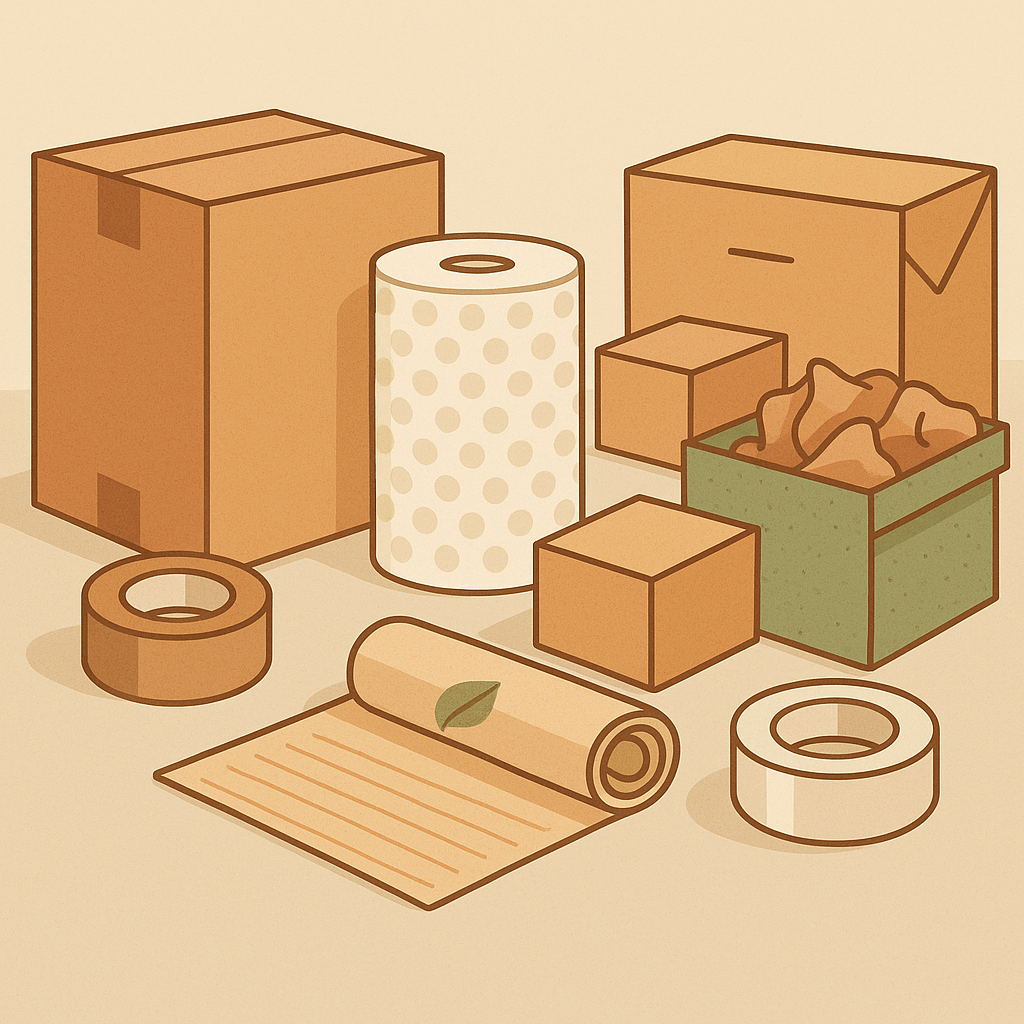
Wholesale packaging supplies are sold in bulk directly by manufacturers or distributors. Businesses often buy wholesale when they require large volumes because the price per unit is lower. Wholesale purchases usually involve minimum order quantities (MOQs), larger shipments and longer lead times. In contrast, retail packaging supplies are available in smaller quantities through retailers, office‑supply stores and online vendors. They offer greater variety and customisation options but come at higher per‑unit prices. Understanding these fundamental differences helps businesses align purchasing strategies with their operational needs.
Pros of Wholesale Packaging Supplies
Wholesale suppliers operate on a high‑volume, low‑margin model that can deliver significant savings and operational benefits:
- Lower unit cost and bulk discounts. Purchasing large quantities typically reduces the cost per unit. For example, buying a case of 24 rolls of tape from a wholesaler can cut the price per roll by half compared with retail.
- Consistent supply and reduced shipping expenses. Buying in bulk ensures you always have packaging materials on hand. Fewer shipments also mean lower freight costs and a smaller carbon footprint.
- Enhanced efficiency and time savings. Bulk purchasing streamlines procurement and reduces the number of purchase orders your team must manage. This time saving can be redirected into core business activities.
- Wide product variety and customisation at scale. Reputable wholesalers offer an extensive range of boxes, tapes, void fill and protective packaging. Some provide custom‑printed or sustainable options at scale.
- Increased buying power. Large orders can boost your negotiating position, enabling better terms and discounts.
Additional Benefits for Australian Companies
Wholesalers who specialise in packaging supplies Australia can deliver tailored advice, local warehousing and compliance with Australian standards. They often carry eco‑friendly lines such as biodegradable satchels and recyclable boxes, which help businesses meet sustainability goals. By working with local distributors, companies also avoid lengthy international shipping delays.
Cons of Wholesale Packaging Supplies
Despite cost advantages, buying wholesale isn’t right for every business. Important drawbacks include:
- Large upfront investment. You must pay for entire pallets of material, which can strain cash flow and tie up capital.
- Storage requirements. Bulk shipments require significant warehouse space and proper storage conditions to prevent damage. Businesses with limited space may incur additional rental costs or be forced to stockpile materials.
- Minimum order quantities and inflexibility. Many wholesalers have strict MOQs, making it difficult for small or seasonal businesses to order only what they need. Changing packaging specifications—colour, size or material—might require new production runs, which can be expensive and slow.
- Longer lead times. Because of the quantities involved, wholesale orders may take longer to produce and deliver. Delays can disrupt fulfilment schedules.
- Obsolescence risk. Holding large inventories can be risky when packaging regulations, branding guidelines or customer preferences change. Unsold stock can become waste, impacting profits and sustainability.
Pros of Retail Packaging Supplies
Retail packaging suppliers serve small businesses, start‑ups and those with variable or specialised requirements. Key advantages include:
- Flexibility and small order quantities. Retail channels allow you to purchase only the amounts you need, avoiding excess inventory. This is ideal for businesses with fluctuating order volumes or limited storage.
- Wide variety and quick customisation. Retailers often stock many styles and sizes, from envelopes and satchels to specialty boxes and decorative packaging. They also offer printing services for small runs of custom packaging (e.g., adding your logo or unique colours).
- Fast delivery and shorter lead times. Retail orders can usually be processed and shipped quickly, with no requirement to meet MOQs. This responsiveness helps businesses respond to sudden spikes in demand or limited promotions.
- Lower upfront investment. Because you’re purchasing smaller quantities, the initial cash outlay is lower. This is particularly helpful for start‑ups or companies testing new products.
- Ideal for product launches and seasonal campaigns. Retail packaging makes it easy to experiment with unique designs or limited‑edition packaging without committing to large volumes.
Cons of Retail Packaging Supplies
Retail purchasing is not without disadvantages:
- Higher per‑unit cost. You pay a premium for convenience and small quantities. Over time, this can significantly increase your cost of goods sold.
- Inconsistent supply. Retailers may run out of popular stock, particularly during peak seasons. This forces you to find alternate suppliers at short notice.
- Limited economies of scale. Bulk discounts are minimal at retail, and frequent ordering consumes time and administrative resources.
- Potentially limited industrial grade options. Retail packaging is geared toward consumers and small businesses. Heavy‑duty industrial or specialised packaging may only be available from wholesalers.
Business Impact of Packaging Choices
Deciding whether to procure wholesale or retail packaging has far‑reaching implications for your operations and profitability.
Cost Management and Cash Flow
Lower unit costs from wholesale purchasing can improve margins, but the high upfront investment may strain your cash flow. Retail ordering spreads costs over time, making it easier to manage working capital. Consider forecasting your monthly packaging needs and calculate break‑even points. For example, if your business ships 500 boxes per month, wholesale may yield savings; if you ship 50 packages, retail may be more economical.
Inventory and Storage
Bulk purchases require adequate space and proper inventory management. Storing surplus packaging may expose materials to moisture, pests or damage. Many companies adopt a hybrid approach—ordering core sizes wholesale and supplementing with retail purchases for specialty items. This strategy balances efficiency with flexibility.
Supply Chain Reliability
A consistent supply of packaging is crucial to prevent shipping delays. Wholesale orders ensure long‑term stock but may take weeks to replenish. Retail suppliers offer faster turnaround but might run out of popular items. Assess your lead time requirements and have contingency plans for shortages.
Brand Presentation and Customer Experience
Retail packaging often provides more customisation and design options. Unique shapes, colours and printing create memorable unboxing experiences that enhance brand loyalty. Wholesale packaging can also be customised at scale, but minimum orders and longer lead times may limit design experimentation. Weigh the importance of aesthetics against cost and operational efficiency.
Sustainability and Environmental Impact
Consumers and regulators are increasingly demanding sustainable packaging. Industry research notes that environmental concerns are a major driver of packaging innovation and growth. Wholesalers and retailers now offer eco‑friendly packaging suppliers that use recyclable, biodegradable or compostable materials. Eco‑friendly packaging reduces carbon footprint and conserves natural resources. Innovations such as biodegradable boxes, compostable mailers and plant‑based inks demonstrate that sustainable options can also be cost‑efficient.
Supporting the Local Economy
Buying from packaging suppliers near me has tangible business and community benefits. Local sourcing reduces delivery times and minimises damage because goods travel shorter distances. Close proximity fosters stronger relationships with suppliers, enabling direct communication for custom orders or urgent needs. Local suppliers also offer competitive pricing due to lower transportation costs. Importantly, supporting local businesses keeps money circulating in your region and promotes economic growth.
Eco‑Friendly Packaging Suppliers: Why Sustainability Matters
Sustainable packaging used to be a niche trend, but demand has surged. A NielsenIQ survey found that 78 % of consumers value a sustainable lifestyle and that many prefer brands with environmental and social governance initiatives. The Sustainable Packaging Coalition defines sustainable packaging as safe throughout its lifecycle and sourced using renewable energy. Benefits of eco‑friendly packaging include:
- Reduced environmental impact. Eco‑friendly materials lessen carbon emissions and waste, especially when biodegradable, compostable or recyclable solutions are used.
- Cost efficiency and logistics optimisation. Smaller, lighter packages reduce shipping and storage costs. Savings can be reinvested in sustainability initiatives.
- Innovation and brand differentiation. Sustainable packaging drives innovation and helps your brand stand out. Smart packaging technologies and minimalist designs enhance the unboxing experience while promoting recycling.
- Optimising your supply chain. Right‑sized packaging reduces shipment load and fuel consumption. Collaborating with suppliers on sustainability goals ensures alignment across the supply chain.
- Regulatory compliance and reputation. Eco‑friendly packaging helps companies comply with environmental regulations and demonstrate corporate responsibility, building brand trust.
When choosing sustainable options, verify that materials are truly recyclable or compostable. Look for certifications such as FSC (Forest Stewardship Council) for paper products or AS 5810/ISO 17088 for compostable plastics. Also consider the entire lifecycle—including manufacturing, transportation and disposal—when evaluating environmental benefits.
Custom Packaging Solutions: Elevating Brand Identity
Custom packaging solutions transform packaging from a protective container into a marketing asset. Custom packaging reflects a brand’s identity and vision through tailored colours, logos and structures. Benefits include:
- Enhanced brand identity and recall. Custom designs reinforce your brand with specific colour schemes, typography and tactile elements.
- Improved customer experience. Unboxing a thoughtfully designed package feels like receiving a gift, leading to positive reviews and word‑of‑mouth referrals.
- Higher sales and loyalty. Unique packaging stands out on shelves and online, influencing purchase decisions and encouraging repeat orders.
- Differentiation in crowded markets. Custom packaging ensures your product is noticed in competitive categories.
- Flexibility in materials. Options range from paperboard and cardboard to flexible pouches, allowing businesses to match packaging with product needs. Eco‑friendly materials such as biodegradable boxes or soy‑based inks support sustainability goals.
For small businesses, custom labels and stickers are a cost‑effective way to personalise packaging without committing to full production runs. When designing custom packaging, consider both aesthetics and functionality—boxes must protect items during shipping and be easy to open, reseal or recycle.
Choosing Between Wholesale and Retail: A Decision Framework
There is no one‑size‑fits‑all answer. To decide whether wholesale or retail packaging supplies are best for your business, evaluate these factors:
- Order volume and frequency. High volumes favour wholesale for cost savings, while low or unpredictable volumes suit retail.
- Storage capacity. Wholesale orders require adequate space and inventory systems. If space is limited, retail or a hybrid strategy may be more practical.
- Cash flow. Consider your ability to absorb the upfront costs of wholesale orders. Spread smaller retail purchases over time if capital is tight.
- Customisation needs. Retail suppliers offer more flexibility for small runs of custom packaging. Wholesale custom orders are cost‑effective only at scale.
- Lead times and agility. If you need fast turnaround, retail or local suppliers may be preferable. If you can plan ahead, wholesale provides stability and cost efficiency.
- Sustainability goals. Both wholesale and retail channels now offer eco‑friendly packaging, but some local suppliers specialise in sustainable options. Evaluate certifications and recyclability.
- Local vs. international sourcing. Working with packaging suppliers near me reduces shipping distance, fosters relationships and supports your community. International wholesalers may offer lower prices but longer lead times and higher freight emissions.
At Premium Packaging, we often recommend a hybrid approach: source core items like standard cartons wholesale to achieve economies of scale, while using retail or local suppliers for specialty boxes, seasonal packaging or trial designs. This balance gives businesses cost savings without sacrificing flexibility or sustainability.
Conclusion
Packaging decisions influence more than just shipping costs; they affect branding, customer satisfaction, sustainability and overall business performance. Wholesale packaging supplies offer cost savings, consistent supply and efficiency for businesses with predictable, high‑volume needs. Retail packaging supplies provide flexibility, variety and quick turnaround, making them ideal for start‑ups, seasonal campaigns or companies with limited storage. Sustainable and custom packaging options allow businesses to differentiate themselves and meet growing consumer expectations. Local suppliers add additional benefits by reducing delivery times, promoting community prosperity and enabling hands‑on collaboration.
Ultimately, the best choice depends on your business’s size, cash flow, order volume, sustainability commitments and branding goals. By carefully weighing the pros and cons outlined above, Australian businesses can craft a packaging strategy that supports growth, delights customers and reflects their values.
Frequently Asked Questions (FAQ)
What is the main difference between wholesale and retail packaging supplies?
Wholesale packaging supplies are sold in bulk at lower per‑unit costs to businesses willing to meet minimum order quantities. Retail packaging supplies are sold in smaller quantities with no MOQs, offering more variety and customisation but at higher per‑unit prices.
When should I choose wholesale packaging supplies?
Wholesale is best for businesses with predictable high volumes, adequate storage space and sufficient cash flow. It offers cost savings, consistent supply and improved efficiency. If you ship hundreds or thousands of items per month, the savings usually outweigh the upfront investment.
Are eco‑friendly packaging materials more expensive?
Traditionally, sustainable materials were pricier, but innovations have made eco‑friendly packaging more cost‑efficient. Smaller, lighter designs reduce shipping costs, and some suppliers offer tax incentives or reduced waste‑management fees. Over time, eco‑friendly choices can save money and enhance your brand’s reputation.
How do local packaging suppliers benefit my business?
Buying from packaging suppliers near me shortens delivery times and reduces the risk of damage because goods travel shorter distances. It also fosters strong relationships for custom orders and supports the local economy. Local suppliers often offer competitive prices due to lower transport costs.
Can small businesses access custom packaging solutions?
Yes. Retail suppliers and printers offer small‑batch custom packaging, such as labels, stickers or digitally printed boxes. These options allow small businesses to enhance brand identity without large MOQs or significant upfront costs.