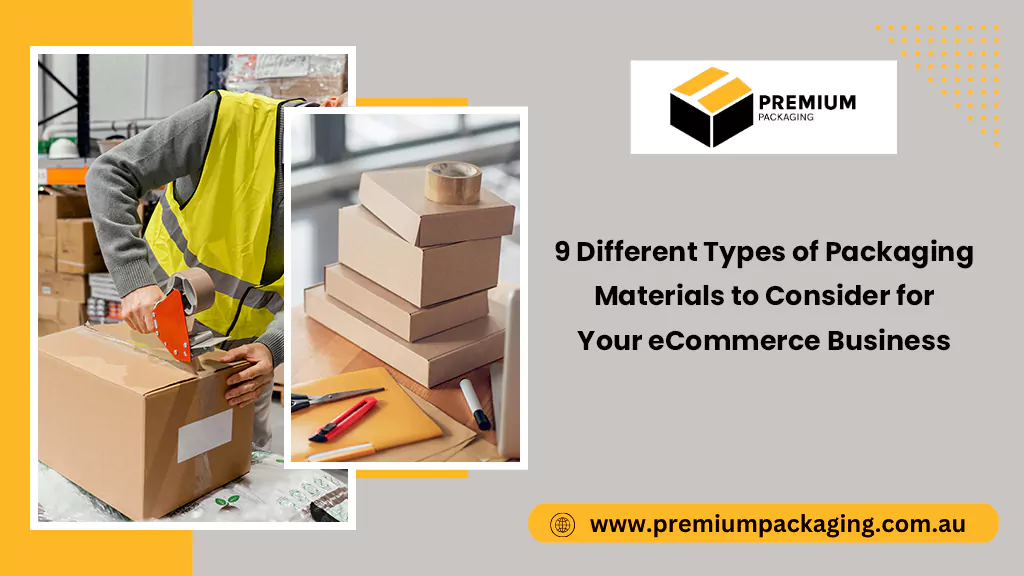
The right packaging materials protect your products, control costs, reduce returns, and shape how customers perceive your brand. For eCommerce businesses, packaging is not just a shipping necessity. It is part of the customer experience and, increasingly, a brand differentiator.
This guide is written for Australian eCommerce businesses. It is based on what currently ranks on Google’s first page, expanded with deeper commercial insight, practical comparisons, and buying considerations from a packaging supplier perspective.
What Are Packaging Materials Used For?
Packaging materials serve several essential functions in eCommerce.
At a practical level, they:
- Protect products during storage and transit
- Prevent damage, leaks, and contamination
- Make shipping safer and more cost-effective
From a business perspective, packaging materials also:
- Influence brand perception
- Reduce returns and customer complaints
- Support sustainability goals
- Improve unboxing experience and repeat purchases
For online retailers, packaging is often the first physical touchpoint customers have with your brand. That makes material choice a commercial decision, not just an operational one.
Packaging Materials List: Common Options Explained
Below are nine different types of packaging materials commonly used by Australian eCommerce businesses, along with when and why they work best.
1. Cardboard Boxes
Cardboard boxes remain the most widely used packaging material in e-commerce.
Why are they popular:
- Strong and lightweight
- Easy to stack and store
- Suitable for a wide range of products
- Recyclable and widely accepted in kerbside recycling
Single-wall boxes are best for lightweight items, while double-wall boxes are better for heavier or fragile goods. Many packaging suppliers offer custom sizing to reduce wasted space and shipping costs.
Best for:
- General merchandise
- Electronics
- Apparel
- Homewares
2. Corrugated Mailer Boxes
Corrugated mailers are rigid, self-locking boxes explicitly designed for shipping.
Key benefits:
- No need for extra tape
- Better presentation than standard cartons
- Strong edge protection
- Easy to brand with printing
These are often used by subscription boxes and premium online retailers looking to elevate the unboxing experience.
Best for:
- Subscription products
- Beauty and skincare
- Books and stationery
- Premium retail items
3. Padded Mailers
Padded mailers combine a paper or plastic outer layer with internal cushioning.
Common types include:
- Bubble-lined mailers
- Paper-padded mailers
They offer good protection while remaining lightweight, which helps control postage costs.
Best for:
- Jewellery
- Small electronics
- Accessories
- Fragile flat items
4. Poly Mailers
Poly mailers are lightweight plastic shipping bags that take up minimal space.
Advantages:
- Waterproof and tear-resistant
- Lower shipping costs due to the lightweight
- Cost-effective for high-volume orders
While traditional poly mailers are made of plastic, many eco-friendly packaging options now include recyclable or compostable options.
Best for:
- Clothing
- Soft goods
- Non-fragile items
5. Paper Mailers
Paper mailers are an increasingly popular alternative to plastic mailers.
Why businesses choose them:
- Made from renewable materials
- Widely recyclable
- Easy to print for branding
They align well with sustainability-focused brands and customers who prefer plastic-free packaging.
Best for:
- Apparel
- Documents
- Lightweight retail products
6. Protective Void Fill Materials
Void fill prevents products from moving inside the box during transit.
Common options include:
- Kraft paper
- Honeycomb paper wrap
- Corrugated inserts
- Recycled paper padding
These materials reduce breakage and give packaging a more considered, premium feel when done neatly.
Best for:
- Fragile items
- Mixed-product orders
- Glassware and ceramics
7. Bubble Wrap
Bubble wrap remains one of the most effective protective packaging materials.
Strengths:
- Excellent shock absorption
- Flexible and easy to use
- Suitable for irregularly shaped items
Paper-based bubble alternatives are now available for businesses seeking eco-friendly packaging options.
Best for:
- Electronics
- Glass products
- Delicate components
8. Custom Inserts and Dividers
Custom inserts are designed to hold products securely in place.
Benefits include:
- Improved protection
- Reduced the need for excess void fill
- Enhanced presentation and organisation
They are often used for gift sets and premium product ranges.
Best for:
- Multi-item orders
- Gift boxes
- Subscription kits
9. Eco-Friendly Packaging Materials
Eco-friendly packaging options are no longer niche. They are becoming an expectation.
Examples include:
- Recycled cardboard
- Compostable mailers
- Paper-based protective wraps
- Starch-based packing peanuts
Many Australian packaging suppliers now offer certified sustainable materials that balance performance with environmental responsibility.
Best for:
- Brands focused on sustainability
- Customers who value low-impact packaging
- Businesses reducing plastic usage
What Is the Most Popular eCommerce Packaging Material?
Cardboard remains the most popular eCommerce packaging material in Australia.
Reasons for its dominance:
- Versatility across product categories
- Strength-to-weight efficiency
- Cost-effectiveness
- Easy recyclability
However, popularity does not always mean suitability. Many businesses now combine cardboard boxes with paper void fill or padded mailers to optimise protection and presentation.
The most effective packaging setups are often hybrid rather than single-material.
Different Types of Packaging Materials and Their Impact on Costs
Packaging choices directly affect:
- Shipping costs
- Storage space
- Damage rates
- Customer satisfaction
For example:
- Oversized boxes increase postage and void fill costs
- Under-protected items increase returns and replacements
- Premium materials can justify higher product pricing
Working closely with experienced packaging suppliers helps businesses strike the right balance between cost, protection, and brand image.
Will Your Customers Prefer Generic or Premium Packaging?
Customer preference depends on your brand positioning and product category.
Generic packaging works well when:
- Price competitiveness is the primary driver
- Products are consumable or low-risk
- Customers prioritise speed over presentation
Premium packaging performs better when:
- Products are giftable or high-value
- Brand experience matters
- Social sharing and unboxing content are part of your marketing
Many eCommerce brands adopt a tiered approach, using standard packaging for everyday orders and premium packaging for special releases or gift options.
Premium Packaging supports this approach by offering scalable packaging solutions that grow with your business.
How Packaging Materials Influence Brand Trust
Packaging quality subconsciously signals reliability.
Poor packaging can suggest:
- Lack of attention to detail
- Cost-cutting at the expense of quality
- Higher risk of product issues
Well-chosen packaging materials communicate:
- Professionalism
- Care for the customer
- Confidence in the product
This matters particularly for first-time buyers who are still forming trust in your brand.
Choosing the Right Packaging Suppliers
Not all packaging suppliers offer the same level of service or expertise.
When selecting a supplier, consider:
- Range of packaging materials
- Custom sizing and branding options
- Sustainable material availability
- Consistent stock supply
- Local Australian support
Working with a local supplier also reduces lead times and simplifies communication, especially during peak sales periods.
Packaging Materials and Sustainability Expectations
Australian consumers are increasingly aware of packaging waste.
Clear trends include:
- Preference for recyclable materials
- Dislike of excessive plastic
- Appreciation for minimal, well-designed packaging
Eco-friendly packaging options do not need to compromise protection. In many cases, paper-based alternatives perform just as well as plastic when designed correctly.
Practical Tips for Selecting Packaging Materials
Before committing to packaging changes, review:
- Your average product weight and dimensions
- Fragility and breakage history
- Shipping methods and carriers
- Customer feedback on packaging
- Storage and fulfilment space
Testing small batches before rolling out new materials reduces risk and helps fine-tune your approach.
FAQs
What are packaging materials used for in e-commerce?
Packaging materials protect products during shipping, reduce damage, and shape customer perception of your brand.
What are the most common types of packaging materials?
Standard options include cardboard boxes, mailer boxes, padded mailers, poly mailers, paper mailers, and protective void fill.
What is the most popular eCommerce packaging material?
Cardboard boxes are the most widely used due to their strength, versatility, and recyclability.
Do customers prefer eco-friendly packaging options?
Many customers prefer recyclable or compostable packaging, especially when it aligns with brand values and does not compromise protection.
Should small businesses invest in premium packaging?
Premium packaging is best for giftable or high-value products, while standard packaging is best for cost-sensitive items.