Bubble wrap is one of the most recognisable packaging materials in the world. Despite its simplicity, choosing the wrong type can lead to damaged goods, product failures or unnecessary costs. For Australian businesses shipping everything from ceramics to sensitive electronics, understanding the difference between regular bubble wrap and anti-static bubble wrap is essential.
This guide explains how bubble wrap works, the different types available, and when anti-static protection is required. It also describes how Premium Packaging supports businesses across Australia with reliable, fit-for-purpose packaging solutions.
What Is Bubble Wrap
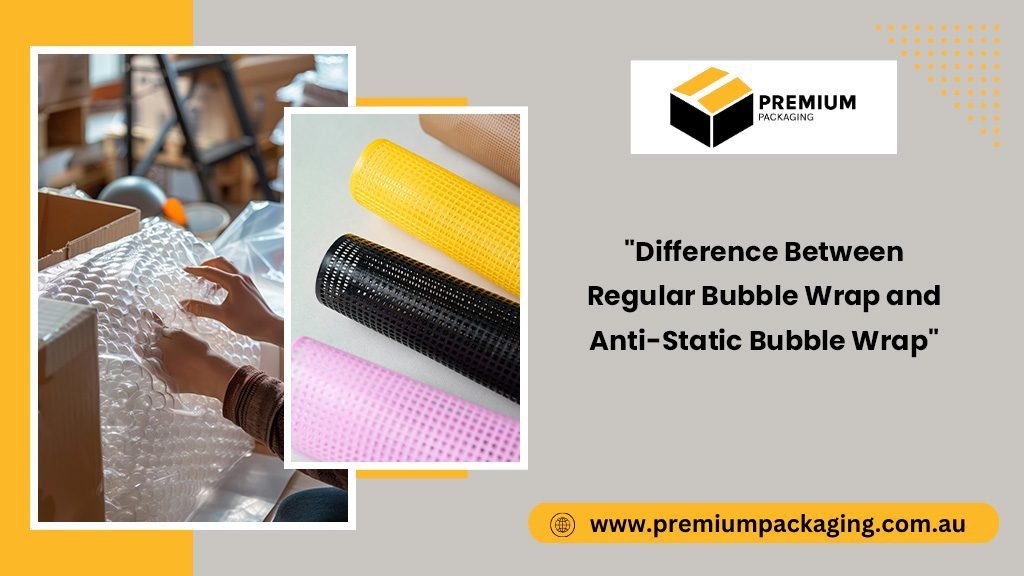
Bubble wrap is a plastic-based protective packaging material made from polyethylene film with evenly spaced air-filled bubbles sealed between layers. These bubbles absorb shock, cushion impact and reduce vibration during handling and transport.
The design is simple but effective. When a parcel is dropped or compressed, the air pockets distribute force across the surface, reducing the likelihood of damage to the item inside.
Bubble wrap is widely used because it is:
- Lightweight
- Flexible
- Cost-effective
- Easy to apply
However, not all bubble wrap is made for the same purpose. The material formulation and manufacturing process determine whether it is suitable for general protection or specialised applications such as electronics.
Types of Bubble Wrap
Bubble wrap comes in several formats, each designed for specific packaging needs. Understanding these variations helps businesses choose the right level of protection without overpackaging.
This is the most commonly used type and is suitable for general-purpose packaging. It provides cushioning and surface protection for non-sensitive items.
Large Bubble Wrap
Featuring larger air pockets, this version offers increased shock absorption for heavier or more fragile items such as glassware, appliances and industrial parts.
Smaller bubbles are used for surface protection and for wrapping lighter items that require fine cushioning.
Explicitly designed for electronic components, anti-static bubble wrap prevents the buildup and discharge of static electricity that can damage sensitive equipment.
Perforated Bubble Wrap
Perforations allow easy tearing to size, improving packing speed and reducing waste in high-volume operations.
Premium Packaging offers a range of bubble wrap options for various industries, from retail and logistics to electronics and manufacturing.
Regular Bubble Wrap
Regular bubble wrap is made from low-density polyethylene and provides only physical protection. It does not control static electricity.
How Regular Bubble Wrap Works
Regular bubble wrap cushions items by:
- Absorbing impact through air pockets
- Reducing vibration during transit
- Preventing surface scratches
It is ideal for products that are not affected by static electricity.
Common Uses for Regular Bubble Wrap
Regular bubble wrap is commonly used for:
- Glass and ceramics
- Homewares
- Furniture components
- Printed materials
- Non-electronic retail goods
For most everyday shipping needs, regular bubble wrap offers reliable protection at a competitive cost.
Limitations of Regular Bubble Wrap
While effective for physical protection, regular bubble wrap can generate static electricity through friction. This makes it unsuitable for items such as:
- Circuit boards
- Computer components
- Medical electronics
- Audio and visual equipment
Using regular bubble wrap for these products can result in invisible damage that only appears once the product is in use.
Anti-Static Bubble Wrap
Anti-static bubble wrap is specifically engineered to protect electronic devices from electrostatic discharge (ESD).
What Makes Anti-Static Bubble Wrap Different
Anti-static bubble wrap is treated with an anti-static agent during manufacturing. This reduces static buildup by allowing electrical charges to dissipate safely across the surface.
It is usually pink or tinted, making it easy to identify during packing and handling.
Anti-Static Bubble Wrap Rolls are commonly used in environments where electronics are stored, assembled or shipped.
Benefits of Anti-Static Material
The benefits of anti-static bubble wrap go beyond cushioning.
Protection Against Electrostatic Discharge
Electrostatic discharge can occur with as little as a slight movement or touch. Anti-static material prevents the accumulation of static charge that could damage sensitive components.
Reduced Product Failure Rates
Electronics damaged by static may pass visual inspection but fail later, leading to warranty claims and returns. Anti-static packaging reduces this risk.
Compliance With Industry Standards
Many electronics manufacturers require anti-static packaging to meet quality and safety standards.
Safer Handling in Warehouses
Anti-static materials reduce static shocks for workers, improving safety and comfort in packing environments.
For businesses shipping electronics, anti-static bubble wrap is not a premium option. It is a requirement.
Regular Bubble Wrap vs Anti-Static Bubble Wrap
The key difference between regular and anti-static bubble wrap lies in how they interact with static electricity.
Regular bubble wrap:
- Protects against physical impact
- Can generate static
- Suitable for non-electronic items
Anti-static bubble wrap:
- Protects against impact and static
- Prevents electrostatic discharge
- Designed for electronic components
Choosing between the two should be based on the product being shipped, not price alone. Using regular bubble wrap for electronics may save money upfront, but it increases failure rates and costs over time.
When Should You Use Anti-Static Bubble Wrap
Anti-static bubble wrap should be used whenever products are sensitive to static electricity.
Typical applications include:
- Printed circuit boards
- Computer parts and accessories
- Telecommunications equipment
- Medical devices
- Automotive electronics
Businesses sourcing Anti-Static Bubble Wrap Rolls from trusted suppliers ensure consistent protection across shipments.
Premium Packaging works with clients to identify when anti-static protection is required and supplies appropriate solutions as part of its Wholesale Packaging Supplies Australia range.
Choosing the Right Bubble Size
Bubble size also affects performance.
Small bubbles:
- Better for surface protection
- Ideal for wrapping smaller items
Large bubbles:
- Better shock absorption
- Suitable for heavier or fragile items
For electronics, anti-static bubble wrap with small to medium bubbles is commonly preferred, as it balances cushioning with a precise fit.
Sustainability Considerations in Bubble Wrap
While bubble wrap is plastic-based, responsible use and sourcing matter.
Many modern bubble wraps:
- Use recycled content
- Are recyclable through soft plastic programs
- They are manufactured with reduced material thickness
Premium Packaging focuses on right-sizing and efficiency, helping businesses reduce waste without compromising protection.
Using the correct bubble wrap type also avoids double packing or re-shipping, which has a greater environmental impact than the material itself.
Bubble Wrap in Australian Supply Chains
Australian businesses face long shipping distances and multiple handling points. Packaging must withstand:
- Road freight vibration
- Automated sorting
- Stacking and compression
This makes selecting the correct bubble wrap even more critical.
Businesses sourcing packaging supplies in Sydney and across Australia benefit from local expertise and consistent product quality. Premium Packaging supports these needs with tested, reliable materials suited to Australian conditions.
Why Work With Premium Packaging
Premium Packaging supplies a full range of protective materials, including Regular Bubble Wrap and Anti-Static Bubble Wrap Rolls, to businesses across Australia.
By understanding product requirements and shipping conditions, Premium Packaging helps clients:
- Reduce damage rates
- Improve packing efficiency
- Avoid unnecessary material use
- Meet industry compliance standards
This consultative approach ensures packaging supports both operational performance and customer satisfaction.
Common Mistakes When Choosing Bubble Wrap
Businesses often make avoidable errors when selecting bubble wrap.
Common mistakes include:
- Using regular bubble wrap for electronics
- Choosing bubble size based on habit rather than product weight
- Overwrapping items unnecessarily
- Ignoring static risk during storage and handling
Avoiding these mistakes leads to lower costs and better outcomes.
Final Thoughts on Bubble Wrap Selection
Bubble wrap remains a critical part of modern packaging, but not all bubble wrap serves the same purpose. Understanding the differences between regular and anti-static bubble wrap enables businesses to protect products and avoid hidden risks properly.
With the right material choice, bubble wrap delivers reliable protection, efficient packing and peace of mind across the supply chain.
FAQs
What is the main difference between regular bubble wrap and anti-static bubble wrap?
Regular bubble wrap protects against physical impact, while anti-static bubble wrap also prevents static electricity that can damage electronics.
When should anti-static bubble wrap be used?
Anti-static bubble wrap should be used for electronic components, circuit boards and devices sensitive to electrostatic discharge.
Can regular bubble wrap damage electronics?
Yes, regular bubble wrap can generate static electricity, which can damage electronic components.
What colour is anti-static bubble wrap?
Anti-static bubble wrap is usually pink or tinted to indicate static-dissipative properties.
Where can I buy anti-static bubble wrap in Australia?
Premium Packaging supplies Anti-Static Bubble Wrap Rolls and other protective materials across Australia.