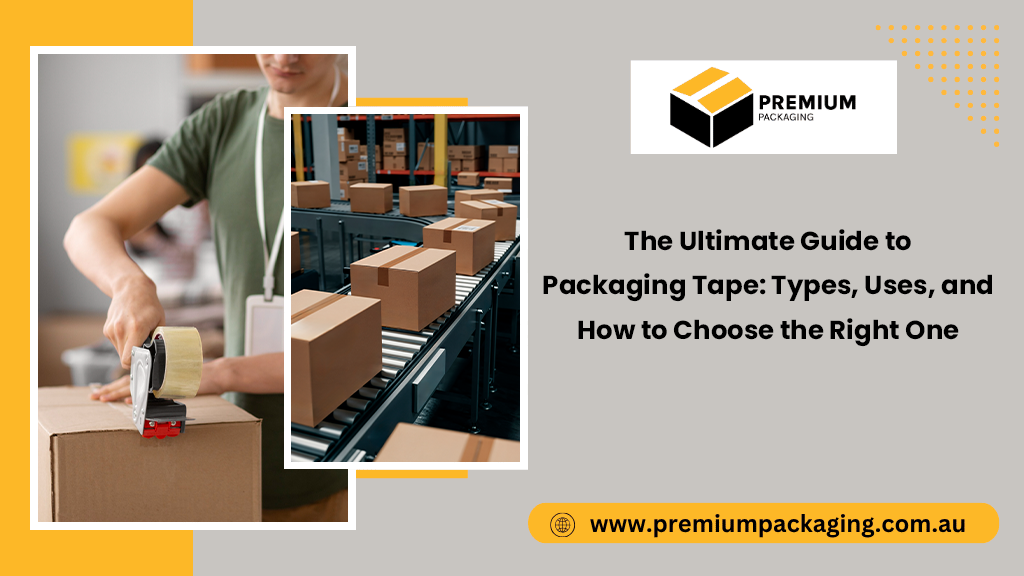
The Ultimate Guide to Packaging Tape: Types, Uses, and How to Choose the Right One
In any business that involves packing, shipping, or storing goods, packaging tape is more than just a basic supply—it’s a critical tool for securing, protecting, and presenting products. With a wide range of options available, choosing the right adhesive tape for boxes can impact everything from transit safety to operational efficiency and even sustainability targets.
Whether you’re shipping hundreds of orders daily or packing delicate items for relocation, understanding the different types of packaging tape and their applications will help you make more informed purchasing decisions.
At Premium Packaging, we supply businesses across Australia with packaging tape solutions tailored to meet the needs of commercial, e-commerce, warehouse, and industrial applications. This guide covers everything you need to know—types, materials, strengths, eco options, and how to pick the best tape for your application.
Why Packaging Tape Matters
At first glance, tape might seem like a minor detail. But the wrong type of tape can lead to:
Parcels opening during transit
Damaged goods or lost inventory
Customer complaints and returns
Additional labour and materials to repack or reinforce boxes
The right packaging tape ensures parcels remain sealed, tamper-proof, and presentable through all stages of handling and delivery.
Common Types of Packaging Tape
Understanding the key categories helps you select the best product for your needs. Here are the most widely used types of packaging tape in Australia:
1. Acrylic Packaging Tape
Use: General-purpose carton sealing
Features:
Water-based adhesive
Strong UV and ageing resistance
Best for cardboard boxes and long-term storage
Acrylic tape is a cost-effective option that performs well in moderate temperatures. It’s a popular choice for eCommerce and warehousing operations.
2. Hot Melt Packaging Tape
Use: High-speed carton sealing machines or heavy-duty sealing
Features:
Strong initial tack
Bonds instantly and securely
Performs best in indoor environments
Hot melt tape is suitable for fast-paced packaging lines and applications that require quick bonding to recycled or rough cardboard.
3. Solvent-Based Packaging Tape
Use: Tough or extreme environments
Features:
High adhesion and durability
Works well in cold, humid, or dusty conditions
Excellent resistance to temperature fluctuations
This is the heavy-duty packaging tape for parcels exposed to challenging storage or delivery conditions, such as freezer environments or cross-country logistics.
4. Reinforced Filament Tape
Use: Bundling or strapping heavy items
Features:
Fibreglass reinforcement for added strength
Ideal for securing pallets or sharp-edged materials
Tear-resistant and very strong
Often used in industrial packaging or securing components within boxes.
5. Paper Tape (Water-Activated or Gummed Tape)
Use: Sustainable, tamper-evident sealing
Features:
Made from kraft paper with starch adhesive
100% recyclable and biodegradable
Strong bond when applied with water
If you’re focused on sustainability and brand image, eco-friendly packaging tape options, such as water-activated paper tape, are a wise choice.
6. Coloured & Printed Tape
Use: Branding, identification, or safety messaging
Features:
Available in multiple colours or with custom logos
Can include messages like “Fragile” or “Handle with Care”
This is ideal for brand-conscious businesses or those that require clear handling instructions to be visible during transit.
Adhesive Types Explained
Each tape type uses a different adhesive that determines bonding performance:
Adhesive Type
Best Use
Notes
Acrylic
General use on cardboard
UV resistant, long-lasting
Hot Melt
High-speed packing
Strong initial bond
Solvent
Cold, humid environments
Durable and weather-resistant
Natural Rubber
Uneven or recycled surfaces
Bonds to a wide range of materials
Water-Activated (Gummed)
Eco-conscious businesses
Strong tamper-evident seal
What Type of Packaging Tape Is Best for Shipping?
Choosing the best packaging tape for shipping depends on what you’re packing, where it’s going, and how it will be handled during transit.
For heavy items or long-distance freight:
Use solvent-based or reinforced filament tape for durability
For standard carton packing:
Hot melt or acrylic tape offers efficient sealing at a low cost
For environmentally conscious businesses:
Water-activated paper tape combines function with sustainability
At Premium Packaging, our advisors can help assess your product weight, box material, and logistics process to match you with the ideal solution.
How to Choose the Right Packaging Tape for Boxes
When evaluating tape options, consider the following:
1. Box Weight and Size
Heavier parcels require thicker tape (with a higher micron count) or reinforced options.
2. Box Surface
Smooth, recycled, or wax-coated surfaces may require a stronger adhesive, such as hot melt or solvent-based.
3. Storage and Transport Conditions
Humidity, heat, or cold temperatures can impact adhesive performance.
4. Application Method
Hand-applied or machine-applied tape may require different formulations or roll lengths.
5. Branding Requirements
Printed tape not only seals the box but also enhances customer experience and provides tamper evidence.
6. Sustainability Goals
To reduce plastic usage, consider using paper-based tapes or recyclable alternatives.
Tape Widths and Thickness: What to Know
Tape comes in various widths and thickness levels, generally measured in microns.
Thickness
Use Case
40–45 micron
Light-duty shipping and general packing
45–55 micron
Medium boxes, eCommerce parcels
60+ micron
Heavy boxes, industrial or export shipments
Standard width: 48mm (fits most tape dispensers)
Other options: 36mm, 75mm for wider sealing needs
Eco-Friendly Packaging Tape Options
With packaging sustainability in focus, many Australian businesses are transitioning to eco-friendly packaging tape to reduce landfill waste and align with customer values.
Sustainable choices include:
Water-activated paper tape (fully compostable)
Cellulose-based tape (bio-derived and biodegradable)
Recyclable polypropylene tape (can be recycled with soft plastics)
Premium Packaging offers a growing range of sustainable tape options for businesses wanting to meet their environmental goals without compromising performance.
Application Tools and Tips
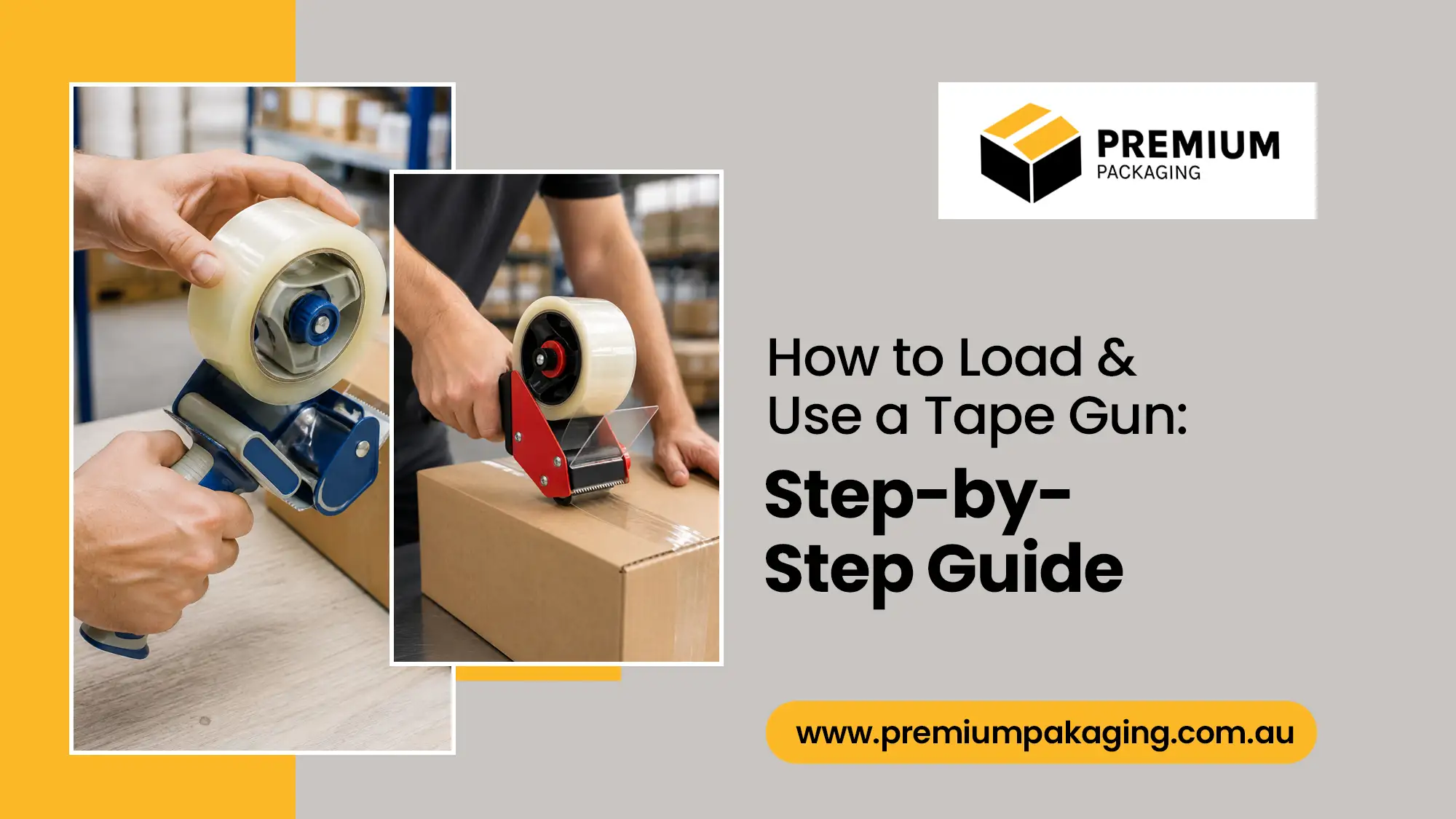
Handheld Tape Dispensers
Ideal for small-to-medium scale operations
Choose a model with a comfortable grip and blade cover for safety
Automatic Carton Sealers
Designed for high-volume warehouses
Ensure your tape choice suits the machine’s tension and width settings
Application Best Practices
Apply tape over the centre seam and extend a few centimetres down the sides
For heavy boxes, use an “H-seal” method: one long centre strip and two side strips
Store tape rolls in a cool, dry place to maintain adhesive quality
Why Choose Premium Packaging?
As a leading packaging supplier in Australia, Premium Packaging offers a comprehensive range of packaging tape options tailored to meet the specific needs of your business. Whether you’re sealing cartons for interstate delivery or looking to switch to sustainable materials, we help you choose the right tape for efficiency, safety, and compliance.
We offer:
Acrylic, hot melt, solvent, and gummed tapes
Printed and coloured tape options
Custom branding for packaging tape
Eco-friendly and recyclable tape alternatives
Competitive bulk pricing and fast delivery
Our team can guide you in selecting the right packaging tape for boxes and recommend integrated solutions to meet all your packaging needs.
Final Thoughts
Tape may seem like a small element in the packing process, but it plays a significant role in protection, presentation, and sustainability. With a variety of packaging tape types available, businesses should carefully match their tape choice to the product type, logistics process, and environmental goals.
At Premium Packaging, we’re here to help you choose smarter, ship safer, and present better. Whether you’re packing thousands of boxes a week or seeking an eco-friendly packaging tape solution, our expert team is ready to support your business with quality products and advice.
FAQs
1. What type of packaging tape is best for shipping heavy parcels?
For heavier boxes or long-distance shipping, solvent-based or reinforced filament tape offers the strength needed to withstand pressure and movement.
2. Can packaging tape be recycled in Australia?
Most traditional plastic tapes aren’t accepted in kerbside recycling. However, paper-based and some bio-based tapes are recyclable or compostable, depending on local council facilities.
3. Is paper tape strong enough for shipping?
Yes. Water-activated paper tape bonds strongly to cardboard, offering a secure, tamper-evident seal—making it suitable for standard shipping boxes.
4. What’s the difference between acrylic and hot-melt adhesive tape?
Acrylic has better UV resistance and longevity, while hot melt offers a stronger initial tack and is preferred in high-speed packing operations.
5. How do I prevent packaging tape from peeling off?
Ensure surfaces are dry and clean before applying the product. Use the right adhesive for your environment and apply proper pressure when sealing.
6. Does Premium Packaging offer custom-printed tape?
Yes. We provide customisable packaging tape with your brand’s logo, colours, or handling messages—great for boosting professionalism and brand recognition.
7. Is there a sustainable alternative to plastic packaging tape?
Absolutely. Eco-friendly packaging tape options, such as water-activated paper tape or cellulose-based adhesive tape, provide effective sealing with a lower environmental impact.