
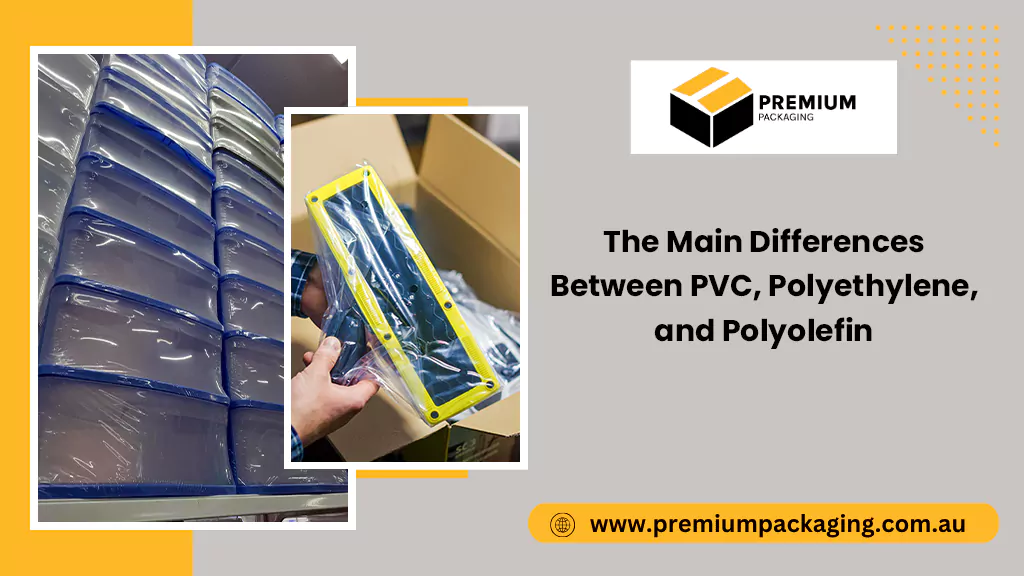
Shrink film plays an important role in modern packaging operations. Businesses across retail, food service, warehousing, and manufacturing rely on shrink wrap packaging to protect products, stabilise bundles, and maintain a clean presentation during storage and transport. Understanding the differences between PVC, polyethylene and polyolefin shrink films helps businesses choose the right material for their packaging workflow.
Each shrink film type has unique characteristics in terms of strength, clarity, flexibility, and heat performance. Selecting the correct film ensures packaging efficiency, product protection, and compatibility with packing equipment. For Australian businesses sourcing shrink film packaging solutions, understanding these materials allows better packaging decisions that support reliable operations.
Premium Packaging supplies commercial packaging materials that help businesses manage product protection, bundling, and transport preparation with consistent quality.
Understanding Shrink Wrap Packaging
Shrink wrap packaging uses specialised plastic film that shrinks tightly around a product when heated. The result is a secure protective layer that stabilises products, protects surfaces, and improves product presentation.
Shrink wrapping is widely used in retail packaging, food packaging, product bundling, and transport preparation. Businesses choose shrink wrap packaging because it provides a tight protective seal while remaining lightweight and efficient for large-scale packaging operations.
Common shrink films used in packaging include PVC, polyolefin, and polyethylene.
What Are the Different Types of Shrink Wraps?
The main types of shrink wrap used in commercial packaging include PVC, polyolefin, and polyethylene shrink films. Each type offers different performance characteristics depending on the packaging requirements.
PVC shrink wrap is commonly used for lightweight retail packaging because it offers high clarity and strong sealing performance. Polyolefin shrink film is widely used in food and product packaging due to its flexibility and durability. Polyethylene shrink wrap is typically used for heavier products and pallet wrapping because it provides thicker and stronger film protection.
Which Material Is Best for Shrink Wrap?
The best shrink wrap material depends on the product being packaged and the conditions it will experience during storage and transport. Polyolefin shrink film is often considered the most versatile material because it provides strong durability, flexibility, and compatibility with many packaging applications.
PVC shrink film offers excellent clarity and is suitable for lightweight packaging, while polyethylene shrink wrap is better suited to heavy-duty applications such as bundling and pallet wrapping. Businesses often select shrink film materials based on product weight, presentation requirements, and packaging equipment compatibility.
What Is the Difference Between Shrink Wrap and Stretch Wrap?
Shrink wrap and stretch wrap are both plastic packaging films, but they serve different purposes. Shrink wrap requires heat to shrink tightly around a product, while stretch wrap is manually or mechanically stretched around items to hold them together.
Shrink wrap packaging is commonly used to protect individual products or bundles. Stretch wrap is mainly used for palletised loads to stabilise boxes during transport. Businesses often use stretch wrap for pallet wrapping and shrink wrap for product packaging and bundling.
What Is the Difference Between Plastic Wraps and Shrink Wraps?
Plastic wrap generally refers to flexible films used to cover or protect items without heat activation. In contrast, shrink wrap is a specialised film that shrinks tightly around products when heated.
Shrink wrap forms a firm, protective seal that closely conforms to the product’s shape. Standard plastic wrap typically remains loose around items and is mainly used for temporary covering or surface protection rather than secure packaging.
What Is the Difference Between PVC and Polyolefin?
The main difference between PVC and polyolefin shrink films lies in their flexibility, strength, and packaging performance. PVC shrink wrap provides strong clarity and crisp sealing, making it suitable for lightweight retail packaging.
Polyolefin shrink film offers greater durability and flexibility, making it better suited for a wider range of packaging applications, including food packaging. Many businesses prefer polyolefin films because they provide consistent shrink performance and improved resistance to tearing during packaging operations.
What Is the Difference Between Polyolefin and Polypropylene?
Polyolefins are a family of plastic materials that include several polymers, such as polyethylene and polypropylene. Polypropylene is one specific material within this group and is commonly used for packaging films, containers, and rigid packaging applications.
In shrink film packaging, polyolefin shrink film typically combines different polyolefin materials to achieve strength, flexibility, and shrink performance. Polypropylene films can offer high clarity but are generally used in various packaging applications rather than in standard shrink film packaging.
What Is PVC Shrink Wrap?
PVC shrink wrap is a plastic film made from polyvinyl chloride that shrinks tightly around products when heated. It is commonly used in retail packaging because it offers excellent clarity and strong sealing properties.
PVC shrink film is frequently used for packaging lightweight items such as stationery, printed materials, and small retail products. The film provides a tight protective layer that helps keep products clean and organised during storage and transport.
What Is PVC Wrap Used For?
PVC wrap is used to package and protect lightweight products in retail and commercial environments. It is commonly used to wrap small items, bundles, printed materials, and product sets that require a clear protective film.
Businesses often choose PVC wrap when presentation is important because the film provides high clarity and a neat finish. It is also used for product bundling, where multiple items are packaged together for display or transport.
Is PVC Shrink Wrap Food-Safe?
PVC shrink wrap can be used in certain food packaging applications, but its suitability depends on the specific film formulation and regulatory compliance. Some PVC shrink films are designed for food packaging, while others are not intended for direct food contact.
For many food packaging operations, polyolefin shrink film is commonly preferred because it offers flexibility, strong performance, and compatibility with food packaging processes. Businesses should always select shrink film materials that meet relevant food safety standards.
How Do You Use PVC Heat Shrink Wrap?
PVC heat shrink wrap is applied by wrapping the shrink film around the product and applying controlled heat with a heat gun, shrink tunnel, or shrink wrapping machine. The heat causes the film to contract tightly around the item.
This process creates a secure protective wrap that stabilises the product and improves presentation. Businesses often use shrink wrapping equipment to apply heat evenly and achieve consistent packaging results across multiple products.
What Is Non-PVC Saran Wrap Made From?
Non-PVC plastic wrap is typically made from polyethylene or polyolefin-based materials. These materials provide flexible food-safe wrapping that can cling to surfaces without requiring heat.
Polyethylene films are widely used for food storage wraps because they are lightweight and flexible. Polyolefin films are also used in certain packaging applications where improved durability and strength are required compared to traditional plastic wrap materials.
What Is Polyolefin Shrink Film?
Polyolefin shrink film is a flexible packaging film made from polyolefin polymers that shrink tightly around products when heated. It is widely used for retail and food packaging, as well as product bundling.
Polyolefin shrink film is valued for its durability, clarity, and consistent shrink performance. Businesses often choose polyolefin films because they resist tearing and maintain strong seals during packaging operations.
What Is a Polyolefin Bag?
A polyolefin bag is a packaging bag made from polyolefin film that can be sealed and heat-shrunk around products. These bags are commonly used for packaging small retail items, printed products, and food-related packaging.
Polyolefin bags provide strong clarity and flexible packaging performance while maintaining a clean appearance. Businesses often use these bags when products require protective wrapping with a tight professional finish.
Is Polyolefin Strong?
Polyolefin shrink film is known for its strength and flexibility, which makes it suitable for many commercial packaging applications. The material resists tearing and puncturing while maintaining a smooth and clear finish.
Because of its durability, polyolefin film can protect products during packaging, handling, and shipping. Many businesses choose polyolefin shrink films when they need reliable shrink performance combined with strong packaging protection.
What Is the Disadvantage of Polyolefins?
One disadvantage of polyolefin films is that they may be more expensive than some alternative shrink films, such as PVC. The film can also require more precise temperature control during the shrink process to achieve consistent results.
However, many businesses accept these limitations because polyolefin shrink film provides durability, flexibility, and consistent shrink performance across a wide range of packaging applications.
Is Polyolefin Hazardous?
Polyolefin materials are generally considered safe for packaging applications when used appropriately. These materials are commonly used in food packaging and product wrapping because they do not release harmful substances during normal packaging processes.
Like all plastic materials, polyolefin films should be handled and disposed of in accordance with appropriate waste management practices. When used correctly in packaging environments, polyolefin shrink film is considered a safe and reliable packaging material.
Choosing the Right Shrink Film Packaging Solution
Selecting the correct shrink film depends on the type of product being packaged and the packaging process used by the business. Factors such as product weight, packaging equipment, shrink performance, and presentation requirements all influence the best material choice.
Businesses that package lightweight retail products may prefer PVC shrink wrap for its clarity, while those handling food packaging or a variety of product types often choose polyolefin shrink film. Polyethylene shrink wrap is commonly used for heavy-duty applications such as bundling large items or pallet loads.
Premium Packaging supplies dependable shrink film packaging solutions designed to support commercial packaging operations across Australia.
FAQ
What are the main types of shrink wrap used in packaging?
The main types of shrink wrap used in packaging are PVC, polyolefin, and polyethylene. Each material offers different properties suited to specific packaging needs.
PVC shrink wrap is commonly used for lightweight retail products due to its clarity. Polyolefin shrink film is widely used in food and product packaging because of its flexibility and durability. Polyethylene shrink wrap is thicker and stronger, making it suitable for bundling larger items and heavy-duty shrink wrap packaging applications.
What is polyethylene shrink wrap used for?
Polyethylene shrink wrap is primarily used for heavy-duty packaging and bundling applications. It is thicker than most shrink films and provides strong protection for large or bulky products during storage and transport.
Businesses commonly use polyethylene shrink wrap to secure pallets, bundle construction materials, and protect industrial goods. Because of its strength and durability, this material performs well in demanding environments that require reliable shrink film packaging solutions.
How does polyolefin compare to PVC shrink wrap?
Polyolefin vs PVC shrink wrap is a common comparison when selecting shrink film packaging materials. Polyolefin shrink film is generally more flexible and durable, while PVC shrink wrap is known for its clarity and crisp sealing.
Polyolefin films are widely used for food packaging and multi-purpose packaging because they resist tearing and perform consistently during shrinking. PVC shrink wrap is often chosen for lightweight retail packaging where presentation and clear product visibility are important.
When should businesses use stretch wrap instead of shrink wrap?
Stretch wrap vs shrink wrap depends on how the packaging film is applied and the purpose of the packaging. Stretch wrap is stretched around pallet loads to stabilise cartons during transport, while shrink wrap requires heat to shrink tightly around individual products or bundles.
Warehouses commonly use stretch wrap to protect pallets and stabilise freight. Shrink wrap packaging is typically used for product packaging, retail bundles, and protective wrapping around individual items.
Why do businesses use shrink film packaging solutions?
Businesses use shrink film packaging solutions to protect products, stabilise bundles, and improve product presentation. When heat is applied, the shrink film forms a tight, protective layer around the product, helping prevent movement, dust exposure, and damage.
Shrink wrap packaging is widely used across retail, logistics, and manufacturing industries. It allows businesses to secure products efficiently while maintaining a professional appearance and reliable protection during storage and transportation.