
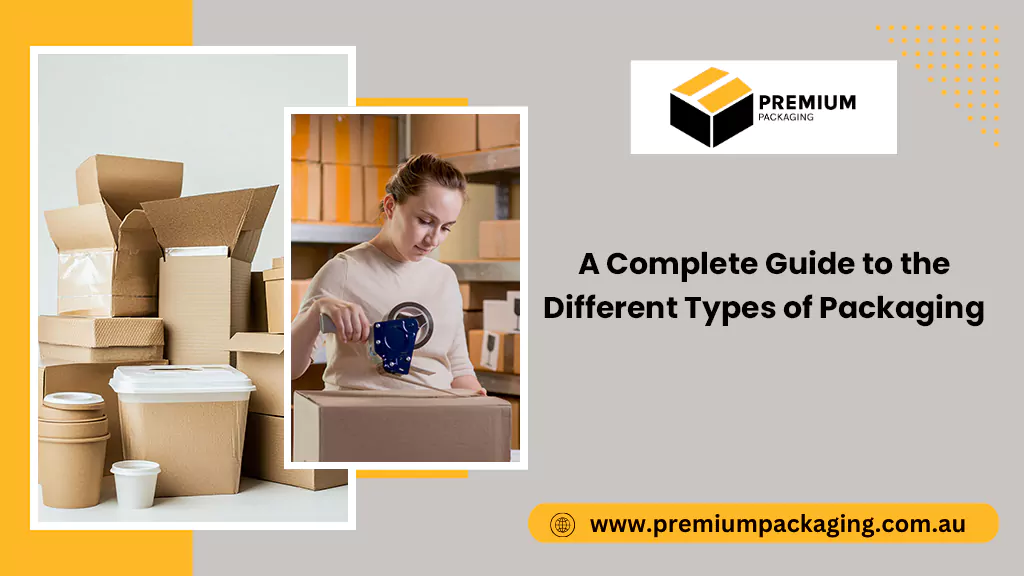
Packaging plays a central role in modern supply chains. From protecting products during transport to improving storage efficiency and presentation, the right packaging ensures goods move safely through warehouses, distribution networks, and retail environments. Businesses rely on carefully selected packaging materials and packaging solutions to protect products, streamline fulfilment operations, and maintain consistent product quality.
For Australian businesses operating in retail, e-commerce, logistics, manufacturing, and food service, choosing the right types of packaging is an important operational decision. Different packaging formats offer different levels of protection, durability, and presentation depending on how products are stored, handled, and transported.
This guide explores the different types of packaging, common packaging materials, and practical considerations businesses should evaluate when selecting packaging for commercial operations.
What is Packaging
Packaging is the material or container used to protect, contain, store, and transport products. It can include boxes, bags, protective wraps, food containers, and sealing materials designed to keep products safe during storage, handling, and delivery.
In commercial environments, packaging serves several important roles beyond simply enclosing a product. It protects goods from damage, contamination, and environmental exposure while supporting efficient warehouse handling and transportation. Businesses rely on well-designed packaging to maintain product quality, improve operational efficiency, and ensure items arrive safely at their destination.
Why Packaging is Important
Packaging is important because it protects products during storage and transport while supporting safe handling throughout the supply chain. It helps prevent damage, contamination, and product loss while maintaining product quality and presentation.
For businesses managing large volumes of goods, effective packaging improves efficiency in packing stations, warehouses, and distribution centres. Reliable packaging solutions reduce product damage during shipping, streamline packing workflows, and ensure products reach customers in good condition. In industries such as food service and retail, packaging also supports hygiene, product presentation, and compliance with packaging standards.
What Are the Main Types of Packaging
The main types of packaging are primary, secondary, and tertiary. Each level serves a different role in protecting products and supporting efficient storage and transport.
Primary packaging is the material that directly contains the product, such as food containers or retail packaging. Secondary packaging groups individual products together, commonly using cartons or boxes. Tertiary packaging is used for bulk storage and shipping, including pallet wrapping and transport protection. These packaging levels work together to ensure products remain secure throughout the supply chain.
Understanding the Different Types of Packaging
Businesses commonly use a combination of packaging formats depending on product characteristics, transport requirements, and handling conditions.
Two common packaging categories include:
Rigid Packaging
Rigid packaging maintains its shape and provides strong structural protection. This type of packaging is commonly used for shipping cartons, mailing boxes, and food containers where durability and stacking strength are important.
Flexible Packaging
Flexible packaging can bend or fold easily and is typically used for wrapping, bagging, and protective covering. Materials such as plastic films, paper wraps, and barrier packaging fall into this category and are widely used in retail, logistics, and food packaging.
Types of Boxes
Boxes are among the most widely used packaging formats because they offer strong protection and efficient stacking for transport and storage.
Common types of boxes include mailing boxes, shipping cartons, moving boxes, and food packaging boxes. Corrugated cardboard boxes are particularly popular because they combine durability with lightweight handling.
Businesses choose different box types based on product weight, fragility, and shipping conditions. Mailing boxes are ideal for eCommerce orders, while larger cartons and moving boxes are commonly used for storage, logistics, and relocation purposes. Properly selected boxes help protect goods while maintaining efficient packing and transport workflows.
Types of Plastic Packaging
Plastic packaging includes a wide range of flexible and rigid packaging formats used across many industries. Examples include plastic bags, films, wraps, containers, and protective packaging materials.
Plastic packaging is valued for its durability, lightweight structure, and resistance to moisture and contamination. Businesses frequently use plastic packaging when products require clear visibility, leak resistance, or reliable protection during shipping and storage.
In commercial operations, plastic packaging is often combined with other packaging materials to create efficient packaging solutions that protect goods while maintaining product presentation and handling efficiency.
Types of Paper Packaging
Paper packaging is widely used across retail, logistics, and food service industries because it is versatile and easy to handle. Common examples include kraft paper, paper bags, wrapping paper, cartons, and corrugated cardboard packaging.
Paper packaging works well for product wrapping, void filling, takeaway packaging, and shipping cartons. Corrugated cardboard cartons offer strong protection during transport, while kraft paper is commonly used for wrapping and cushioning items inside packages.
Businesses often select paper packaging materials because they are practical, widely recyclable, and suitable for a variety of packaging applications.
Types of Barrier Packaging
Barrier packaging is designed to protect products from external factors such as moisture, oxygen, grease, light, or contamination. This type of packaging is especially important for food products and sensitive goods that require controlled environments.
Barrier packaging can include coated papers, laminated films, lined containers, or specialised packaging materials designed to maintain product freshness and quality. Businesses often use barrier packaging in food service, manufacturing, and pharmaceutical industries where protecting product integrity and shelf life is essential.
Packaging Materials Used in Commercial Packaging
Choosing the right packaging materials is essential for protecting products and maintaining efficient packaging operations.
Corrugated Cardboard
Corrugated cardboard is one of the most widely used packaging materials for cartons and shipping boxes. It provides strength, cushioning, and stacking capability during storage and transport.
Paper and Kraft Materials
Paper packaging materials are commonly used for wrapping, bagging, and protective cushioning. Kraft paper is particularly popular for void filling and protective wrapping inside cartons.
Plastic Films and Bags
Plastic films and bags provide moisture resistance and flexible protection for products during handling and shipping. These materials are often used in combination with other packaging components.
Barrier Packaging Materials
Barrier materials are used when products need protection from air, moisture, or contamination. They are commonly used for food packaging and specialised product storage.
How to Choose the Right Type of Packaging for Your Product
Choosing the right packaging depends on several important factors, including product size, weight, fragility, and transport conditions. Businesses must also consider how packaging will be stored, handled, and packed within their operations.
Fragile products may require stronger boxes and protective packaging, while food products may require specialised barrier packaging. Businesses also benefit from packaging solutions that are easy to assemble, store efficiently, and maintain consistent performance across high-volume packing environments.
Selecting suitable wholesale packaging supplies allows businesses to standardise packing processes and maintain reliable packaging availability for daily operations.
What Are the Different Types of Packaging Machines
Various packaging machines are used to automate wrapping, sealing, filling, and palletising in commercial packing environments. These machines help businesses increase packing speed, improve consistency, and reduce manual labour across warehouses and manufacturing facilities.
Common packaging machines include:
Shrink Wrap Machines
Shrink wrap machines apply heat to plastic film, causing it to shrink tightly around a product or bundle. This creates a secure and protective wrap that helps keep products stable during storage and transport. Shrink wrapping is commonly used to bundle retail products and protect goods from dust and contamination.
Stretch Wrap Machines
Stretch wrap machines, also known as pallet wrapping machines, automatically wrap stretch film around palletised loads. These machines stabilise cartons and products on pallets to prevent movement during transport. Stretch wrapping helps improve load security and protect shipments as they move through warehouses and freight networks.
Heat Sealing Machines
Heat-sealing machines seal plastic bags or films by applying controlled heat and pressure to the edges of the material. This creates a strong seal that protects products from contamination or moisture. Heat sealers are commonly used to package food products, small items, and materials stored in protective bags.
Strapping and Bundling Machines
Strapping and bundling machines apply plastic or steel straps around cartons or pallet loads to reinforce packaging. These machines help secure heavy boxes or bundled items during transport and storage. Automated strapping improves packing efficiency while reducing the risk of load shifting during shipping.
Case Packers
Case packers automatically place products into cartons or cases for shipment. These machines are commonly used in high-volume production environments where large quantities of goods need to be packed quickly and consistently.
Filling Machines
Filling machines dispense liquids, powders, or granular products into containers. They ensure accurate filling and consistent product measurement across packaging operations.
Palletising Machines
Palletising machines automate the process of stacking cartons or products onto pallets. This equipment improves warehouse efficiency while reducing manual lifting and ensuring stable pallet loads for transport.
It is important to note that this is not an exhaustive list, as many specialised packaging machines exist depending on product type and packaging processes.
Packaging Solutions for Modern Businesses
Businesses require reliable packaging solutions that support efficient operations while protecting products throughout storage and transport. From cartons and protective wraps to food packaging and industrial tapes, the right packaging products help maintain consistent quality and operational efficiency.
Premium Packaging offers a wide range of wholesale packaging supplies for commercial use across retail, eCommerce, warehousing, logistics, and food service. With dependable packaging materials and professional-grade products, businesses can streamline packaging processes while maintaining strong product protection.
Frequently Asked Questions
What packaging materials are most commonly used?
The most common packaging materials include corrugated cardboard, paper, plastic films, and barrier materials designed to protect products during storage and transport. Each material serves a different purpose depending on the product and packaging requirements.
Corrugated cardboard is widely used for shipping cartons, while paper packaging is often used for wrapping and cushioning. Plastic films provide moisture resistance, and barrier materials help protect products from air, light, or contamination. Businesses often combine several packaging materials to create effective packaging solutions.
What is the difference between primary and secondary packaging?
Primary packaging is the layer that directly holds or contains the product, while secondary packaging groups multiple primary packages together for easier handling and protection. Tertiary packaging is then used for bulk storage and transportation.
For example, a food container may serve as the primary packaging, a carton containing multiple containers may serve as secondary packaging, and stretch-wrapped pallets used for freight shipping may serve as tertiary packaging. Each level helps protect products while supporting efficient handling across supply chains.
Why do businesses buy wholesale packaging supplies?
Businesses purchase wholesale packaging supplies to maintain consistent packaging availability and support efficient packing operations. Buying packaging in bulk helps organisations manage supply levels while ensuring they always have the materials required for daily operations.
Wholesale packaging supplies also help standardise packing processes, allowing businesses to use consistent packaging materials across shipments. This improves packing efficiency, reduces delays, and ensures products are packaged securely for storage and delivery.
Which packaging type is best for shipping products?
Corrugated boxes paired with protective packaging are among the most effective packaging solutions for shipping products. These boxes provide structural strength while protective materials inside the carton prevent movement and damage.
The best packaging choice depends on the product’s size, fragility, and shipping conditions. Businesses should select packaging that provides adequate protection while remaining efficient for packing, handling, and transport within their distribution networks.
How do businesses choose the right packaging solution?
Businesses choose packaging solutions by evaluating the product’s weight, fragility, storage requirements, and transport conditions. The packaging must protect the product while supporting efficient packing and shipping operations.
It is also important to consider factors such as packaging material strength, ease of handling, and compatibility with existing packing processes. Selecting the right packaging helps reduce product damage, improve packing speed, and ensure consistent product protection across supply chains.