
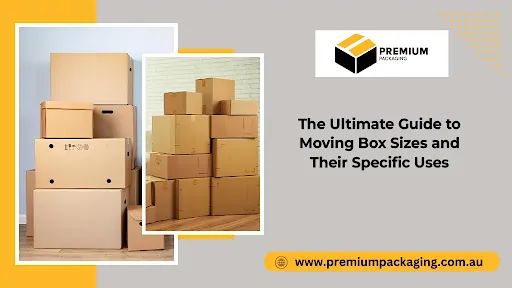
Choosing the correct moving box sizes protects your belongings, reduces breakage, speeds up packing, and lowers overall moving costs. Box size is not just about convenience. It directly affects weight limits, stacking safety, and the efficiency of your move from start to finish.
Why Box Quality Matters
Before looking at moving box sizes, it is important to understand why box quality matters just as much as box dimensions.
Low-quality boxes:
- Collapse under weight
- Tear at handles or seams
- Shift during transport
- Increase the risk of damage and injury
High-quality moving boxes:
- Maintain their shape when stacked
- Distribute weight evenly
- Protect contents during loading and unloading
- Make packing faster and safer
For moves involving stairs, long carry distances, or storage, strong boxes are essential. Premium Packaging supplies moving boxes designed to handle real-world conditions, not just short-distance transport.
Types of Moving Boxes You Need
Most successful moves use a mix of box sizes rather than one standard option. Each box size has a specific role.
The main types of moving boxes include:
- Small boxes for heavy items
- Medium boxes for general household goods
- Large boxes for bulky but lightweight items
- Specialised boxes for fragile or awkward items
Using the wrong box size is one of the most common causes of breakage and overpacking.
Understanding Moving Box Sizes
Moving box sizes are typically described by their external box dimensions and their intended use. In Australia, standard sizes are consistent across packaging suppliers, which makes planning easier.
Key factors to consider when comparing moving box dimensions:
- Internal capacity
- Weight limits
- Ease of lifting
- Stackability in trucks or storage units
Heavier items always belong in smaller boxes. Larger boxes should never be filled with dense items, even if they fit.
What Are the Standard Moving Box Sizes?
Below is a clear breakdown of standard moving box sizes and how to use them best.
Small Boxes
Small boxes are designed for heavy items that need to stay compact.
Typical box dimensions:
- 430 x 305 x 305 mm
Common uses:
- Books
- Tools
- Canned food
- Files and documents
- Kitchenware such as plates and mugs
Why small boxes matter:
- Prevent overloading
- Reduce strain on your back
- Stack neatly without crushing
Small boxes are often underestimated, but they are one of the most important box sizes in any move.
Medium Boxes
Medium boxes are the most versatile option and are most commonly used.
Typical box dimensions:
- 430 x 305 x 430 mm
Common uses:
- Pots and pans
- Small appliances
- Toys
- Bathroom items
- Mixed household goods
Medium boxes strike a balance between capacity and manageable weight. They are ideal for items that are not especially heavy or fragile.
Large Boxes
Large boxes are designed for bulky but lightweight items.
Typical box dimensions:
- 430 x 305 x 610 mm
Common uses:
- Linen and bedding
- Towels
- Pillows
- Clothing
- Soft furnishings
Important note:
Large boxes should never be packed with books or dense items. Overfilled large boxes are difficult to lift and prone to failure.
Moving Box Sizes and Weight Control
One of the biggest mistakes during packing is focusing only on box size, not weight.
A well-packed box should:
- Be easy to lift by one person
- Hold its shape when carried
- Sit flat without bulging
Using the correct moving box sizes helps distribute weight evenly across your load and protects both your belongings and the people moving them.
Specialised Moving Boxes
Some items require boxes explicitly designed for their shape or fragility.
Book Boxes
Book boxes are smaller, reinforced boxes designed to handle heavy loads.
Best for:
- Books
- Vinyl records
- Paper files
They reduce strain and prevent tearing at the base.
Wine and Bottle Boxes
These boxes include internal dividers that separate bottles.
Best for:
- Wine
- Spirits
- Glass bottles
They reduce movement and minimise breakage during transit.
Picture and Mirror Boxes
Picture boxes are adjustable and designed to protect flat, fragile items.
Best for:
- Framed artwork
- Mirrors
- Large prints
Padding is still required, but the box shape reduces pressure points.
Wardrobe Boxes
Wardrobe boxes include a hanging rail.
Best for:
- Hanging clothing
- Suits
- Dresses
- Coats
They save time and reduce wrinkling, especially for long-distance moves.
Electronics Boxes
Some moving boxes are designed to accommodate televisions or monitors.
Best for:
- TVs
- Computer screens
- Audio equipment
When possible, original packaging offers the best protection, but specialised boxes are a reliable alternative.
Packing Strategies and Tips
Choosing the correct box sizes is only part of the process; how you pack matters just as much.
Pack room by room
Keeping items from the same room together makes unpacking faster and more organised.
Label every box clearly.
Include:
- Room name
- Contents summary
- Fragile warnings were relevant
Clear labels reduce handling mistakes and speed up unloading.
Use cushioning wisely
Effective cushioning materials include:
- Packing paper
- Bubble wrap
- Towels and linen
Avoid leaving space inside boxes. Movement causes damage.
Balance the weight inside the boxes
Place heavier items at the bottom and lighter items on top. This prevents crushing and keeps boxes stable.
Do not overfill boxes
Boxes should close flat without forcing the flaps. Overfilled boxes are more complex to stack and more likely to fail.
How Many Boxes Do You Need?
Box quantity depends on:
- Size of the home
- Type of contents
- Storage needs
As a general guide:
- One-bedroom home: 20 to 30 boxes
- Two-bedroom home: 30 to 45 boxes
- Three-bedroom home: 45 to 65 boxes
- Four-bedroom home: 65+ boxes
This estimate assumes a mix of small, medium, and large boxes rather than a single size.
Choosing the Right Box Size for Storage vs Moving
Storage places different demands on boxes compared to short-term moving.
For storage:
- Prioritise strong cardboard
- Avoid oversized boxes
- Use consistent box dimensions for stacking
Premium-quality boxes hold up better over time and protect contents from compression.
Why Removalists prefer Standard Box Sizes
Removalists often prefer standard moving box sizes because:
- Trucks are designed for efficient stacking
- Weight distribution is predictable
- Loading time is reduced
- Damage risk is lower
Using standard moving box sizes makes the entire moving process smoother and safer.
Common Mistakes to Avoid
Avoid these frequent packing errors:
- Using random box sizes from supermarkets
- Mixing heavy and fragile items
- Overloading large boxes
- Skipping labels
- Reusing damaged boxes
Professional-grade boxes are designed for transport, not just short-term carrying.
Why Buy Moving Boxes from a Packaging Supplier?
Buying from a dedicated packaging supplier offers clear advantages:
- Consistent box dimensions
- Better strength and durability
- Reliable stock availability
- Access to specialised boxes
Premium Packaging supplies moving boxes that meet the demands of both residential and commercial moves across Australia.
Final Thoughts on Moving Box Sizes
Moving box sizes are not interchangeable. Each box size has a specific purpose, and using them correctly saves time, money, and stress.
A well-planned mix of small, medium, and large boxes, combined with specialised options where needed, results in safer transport and easier unpacking.
FAQs
What are standard moving box sizes in Australia?
Standard sizes typically include small, medium, and large boxes, each designed for different weight and volume needs.
What should small boxes be used for?
Small boxes are best for heavy items like books, tools, and kitchenware.
Are large boxes suitable for heavy items?
No. Large boxes should only be used for lightweight, bulky items such as bedding and clothing.
Why does box quality matter when moving?
High-quality boxes reduce breakage, support stacking, and make lifting safer.
How do I choose the right moving box size?
Match box size to item weight, not just item volume, and use a mix of box sizes for best results.